Industry Updates &
Expert Knowledge
Stay informed with the latest technological advancements, manufacturing trends, and professional insights in carbon brush, vane, and seal solutions.

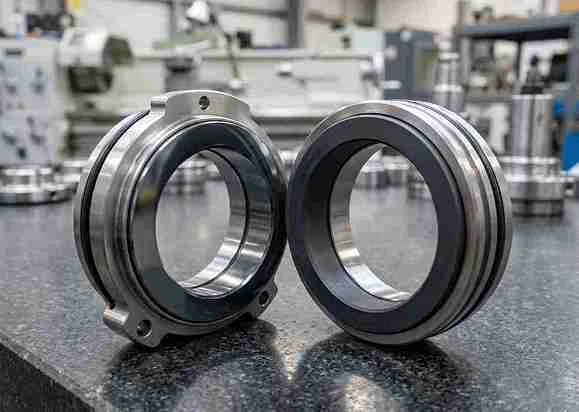
Top 10 carbon vane manufacturer in China
Introduction China has become a global leader in manufacturing high-quality carbon vanes, essential components for vacuum pumps, compressors, and other industrial applications. With numerous manufacturers offering a variety of products, it’s crucial to identify the most reliable and efficient companies in the industry. This article explores the top 10 carbon vane manufacturers in China, helping […]
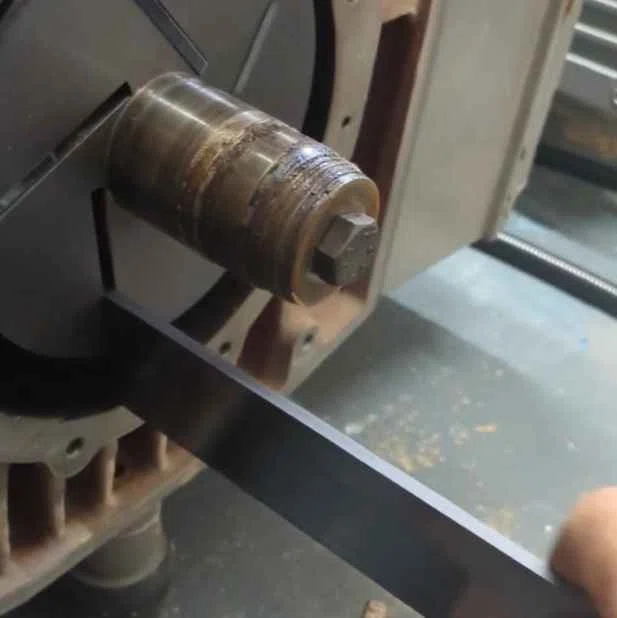
How to Replace the Vanes in Your Vacuum Pump?
To replace the carbon vane in a rotary vane vacuum pump, lock out power, vent and drain oil, remove the end cover, slide out worn vanes, clean the rotor slots, install new vanes in the correct orientation with light oil film, reassemble with a new gasket/O-ring, refill oil, and run a short break-in while monitoring […]
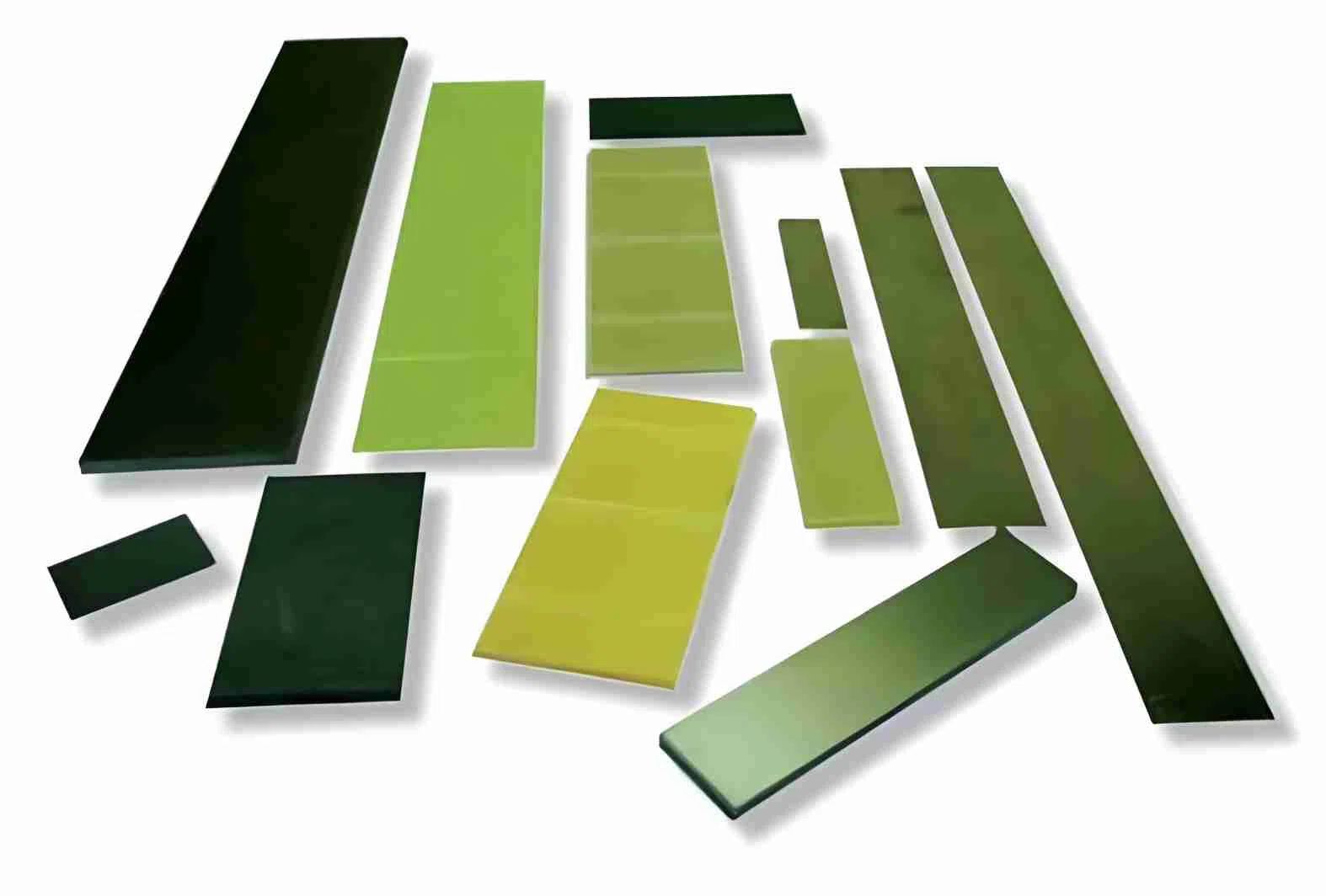
What are the different types of carbon vanes?
What are the different types of carbon vanes? Carbon vanes are classified into three main types based on their application and material properties: standard carbon vanes for general-purpose use, resin-impregnated carbon vanes for enhanced durability, and metal-impregnated carbon vanes for high-performance industrial applications requiring superior strength and heat resistance. Properties and Applications of Carbon Vanes […]
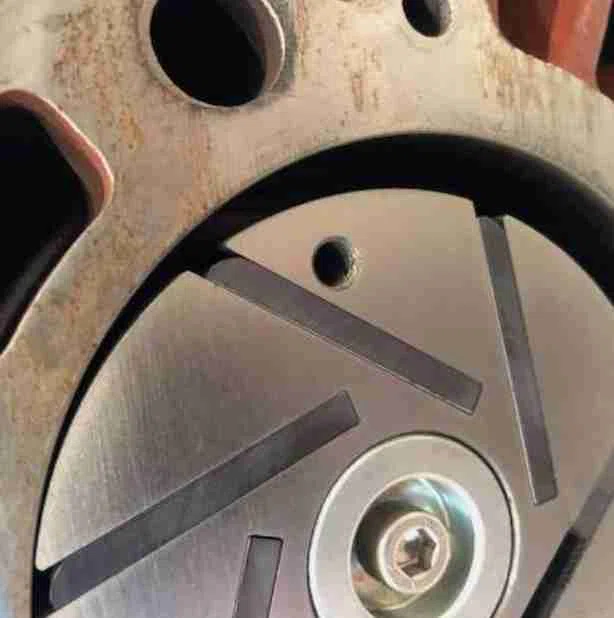
How to choose the right carbon vane for vacuum pump?
Choosing the right carbon vane for your vacuum pump requires evaluating factors such as pump model, operating conditions, material durability, and application-specific demands. Opt for high-quality, wear-resistant vanes compatible with your pump to ensure optimal performance and longevity. Always consult the manufacturer’s specifications and seek expert advice when in doubt. How Does a Carbon Vane […]
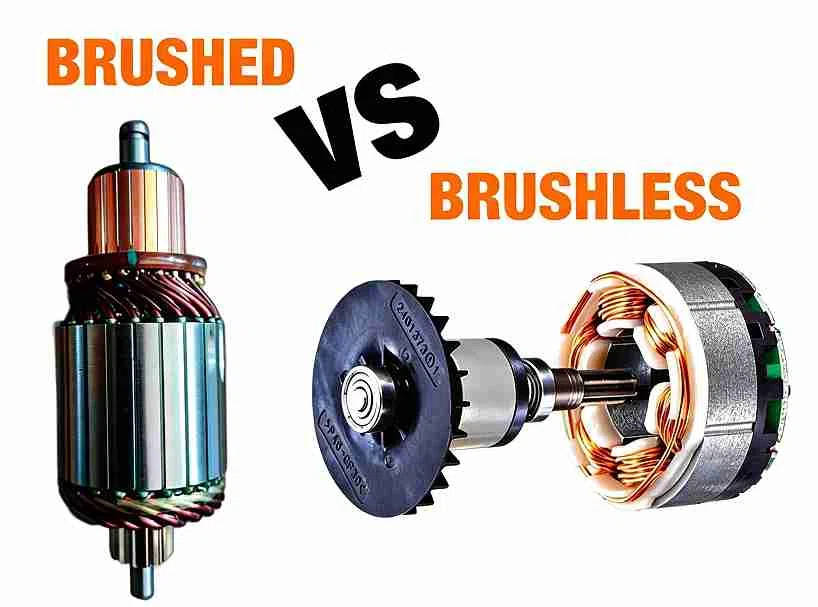
Brush Motor vs Brushless motor
Brush motors use physical carbon brushes and a commutator to deliver power to the rotor, while brushless motors use electronic controllers to switch current through electromagnets. Brushless motors offer higher efficiency (85-90% vs 75-80%), longer lifespan, less maintenance, and better power-to-weight ratios, but cost significantly more than traditional brush motors. What is a Brush Motor? […]
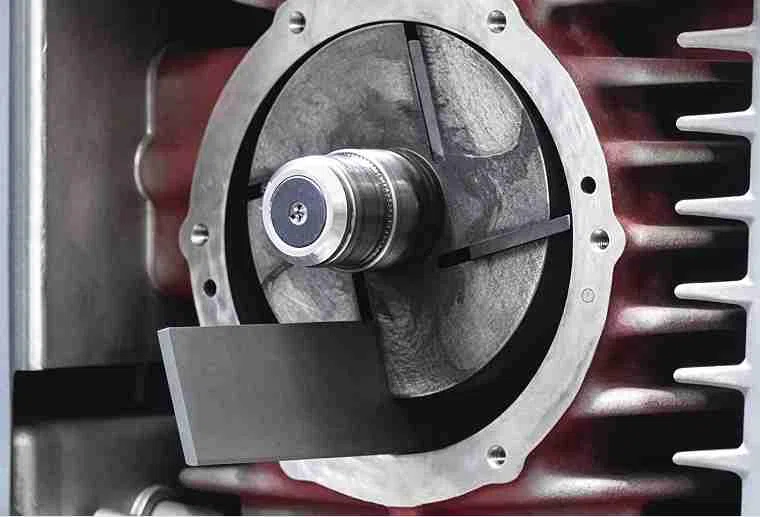
What is carbon vane used for?
A carbon vane is used as a self-lubricating sliding seal in rotary vane machines—most commonly dry rotary vane vacuum pumps and rotary vane air compressors—to form compression chambers, maintain vacuum/pressure, and transfer torque from rotor to the gas. Carbon-graphite vanes reduce friction, tolerate intermittent lubrication, and protect the housing from scoring. How carbon vanes actually […]
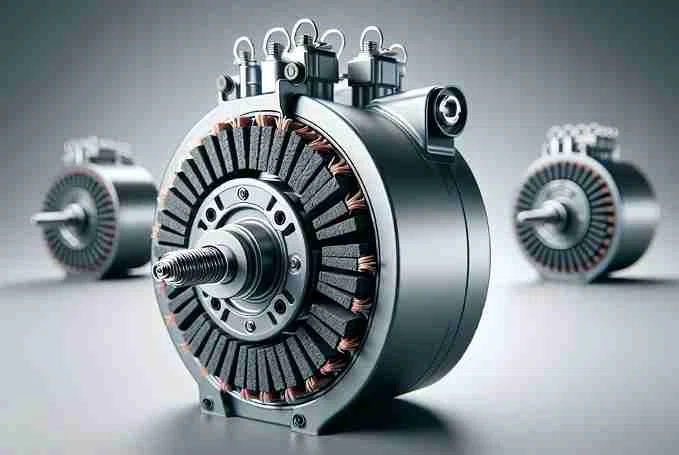
What is carbon brush in motor?
A carbon brush in a motor is a replaceable sliding electrical contact—typically a carbon/graphite block with a lead wire and spring—that transfers current between a stationary circuit and a rotating commutator or slip ring. It enables torque production in brushed DC and some AC universal motors while gradually wearing as a normal consumable part. Working […]
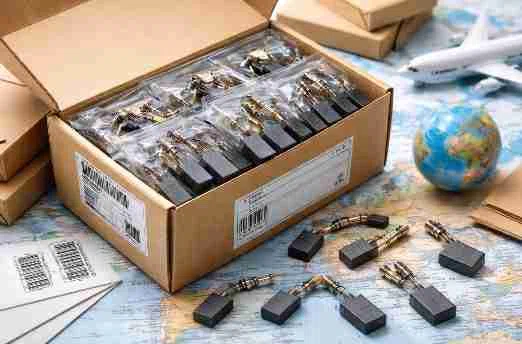
Top 8 Carbon Brush Manufacturers in the world
In the rapidly evolving world of industrial manufacturing, carbon brushes play a crucial role across various applications, including electric motors, generators, and alternators. Selecting the right supplier is paramount for businesses aiming to enhance their product performance and reliability. This article delves into the top carbon brush manufacturers globally, providing insights into their offerings and […]
- « Previous
- 1
- 2