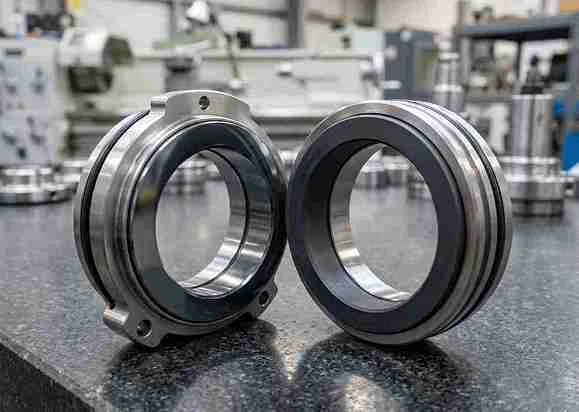
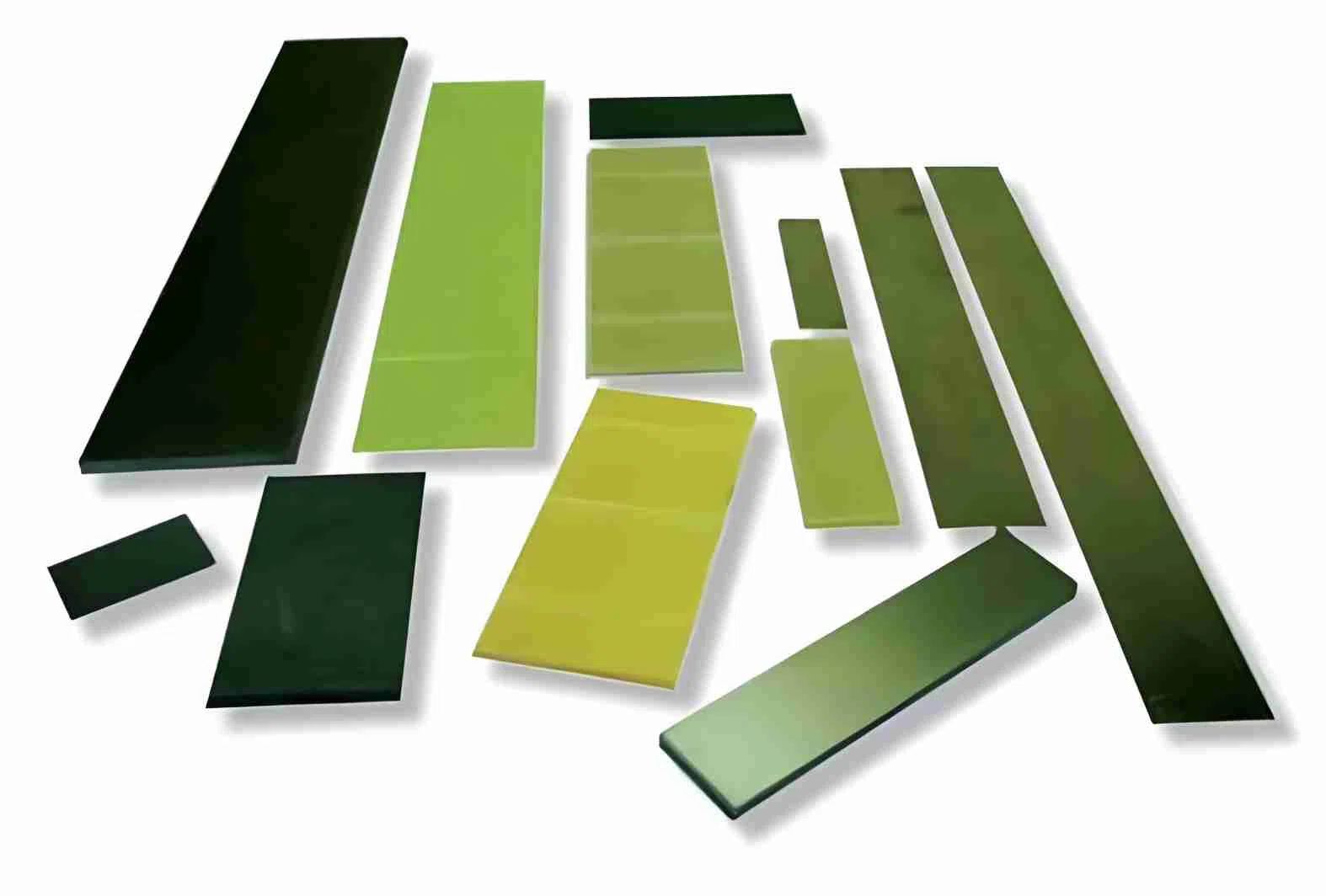
What are the different types of carbon vanes?
Carbon vanes are classified into three main types based on their application and material properties: standard carbon vanes for general-purpose use, resin-impregnated carbon vanes for enhanced durability, and metal-impregnated carbon vanes for high-performance industrial applications requiring superior strength and heat resistance.
Properties and Applications of Carbon Vanes
Carbon vanes are integral components in rotary vane pumps, compressors, and vacuum systems. The type of carbon vane selected depends on the operational requirements, such as temperature, pressure, and lubrication conditions. Below is a deeper look into each type.
Standard Carbon Vanes
Standard carbon vanes are made from pure carbon materials and are ideal for:
- Applications: Low-stress environments, such as light-duty pumps in household appliances.
- Advantages:
- Low cost.
- Suitable for dry-running operations.
- Limitations:
- Limited durability in high-temperature or high-pressure environments.
Resin-Impregnated Carbon Vanes
Resin-impregnated carbon vanes are treated with resins to enhance their strength and wear resistance:
- Applications: Medium-duty industrial equipment, such as packaging machinery and printing presses.
- Advantages:
- Better performance in moderate temperature ranges.
- Increased lifespan compared to standard vanes.
- Limitations:
- May not withstand extreme heat or pressure.
Metal-Impregnated Carbon Vanes
Metal-impregnated carbon vanes are reinforced with metals like copper or antimony for maximum durability:
- Applications: Heavy-duty equipment, such as high-capacity vacuum pumps and compressors.
- Advantages:
- Superior strength and heat resistance.
- Excellent thermal conductivity for demanding industrial processes.
- Limitations:
- Higher cost compared to other types.
| Type | Application | Advantages | Limitations |
|---|---|---|---|
| Standard Carbon Vanes | Light-duty pumps | Affordable; works without lubrication | Limited durability |
| Resin-Impregnated Vanes | Medium-duty industrial use | Enhanced wear resistance | Not suitable for extreme conditions |
| Metal-Impregnated Vanes | Heavy-duty industrial systems | High strength and heat resistance | Higher cost |
Maintenance and Replacement of Carbon Vanes
To ensure optimal performance:
- Inspect vanes regularly for wear and tear.
- Replace vanes based on manufacturer recommendations or when signs of degradation appear.
- Use compatible lubricants, if required, to extend vane lifespan.
Conclusion & Expert Tip
Choosing the right type of carbon vane is crucial for maintaining the efficiency and longevity of your equipment.
Carbolve Pro Tip: “In our experience, resin-impregnated vanes strike the best balance for mid-range operations, offering durability without the high cost of metal-impregnated vanes. Always consult your equipment manual to match vane material with system requirements.”