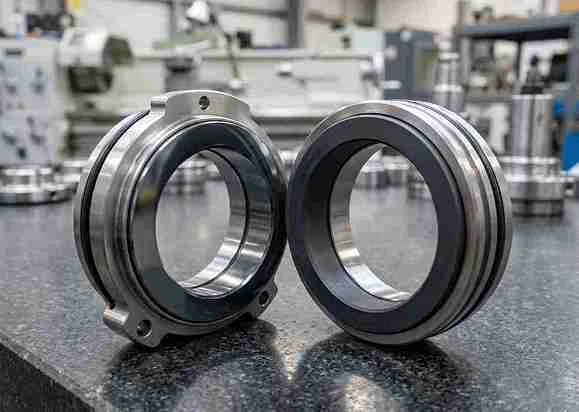
Carbon Vane Manufacturer
CARBOLVE manufactures precision carbon and graphite vanes for vacuum pumps, compressors, air pumps, and applicable rotary vane equipment. We evaluate OEM designs, replacement parts, and custom dimensions according to drawings, samples, and equipment operating conditions.
- Custom Carbon Vane Manufacturing
- Drawing and Sample-Based Production
- Precision-Machined Dimensions
- OEM and Replacement Support
- Application-Based Material Review
Send the pump model, vane dimensions, photographs, existing part number, operating conditions, and required quantity for evaluation.
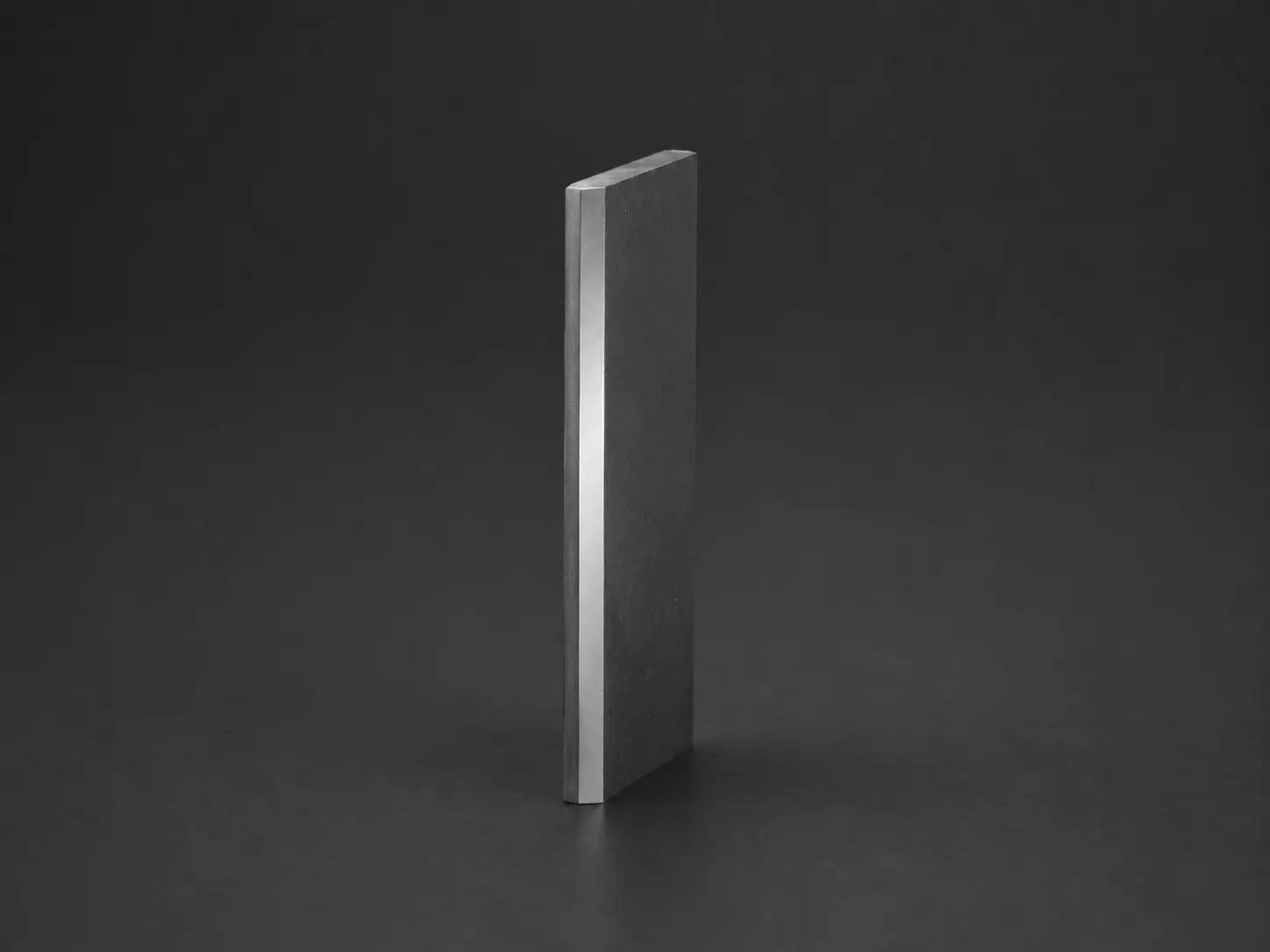
Carbon Vanes Manufactured for Rotary Pump Applications
Vane dimensions, material, edge geometry, surface condition, and rotor-slot fit directly affect movement, sealing, wear, and pump operation. CARBOLVE evaluates these parameters for custom manufacturing.
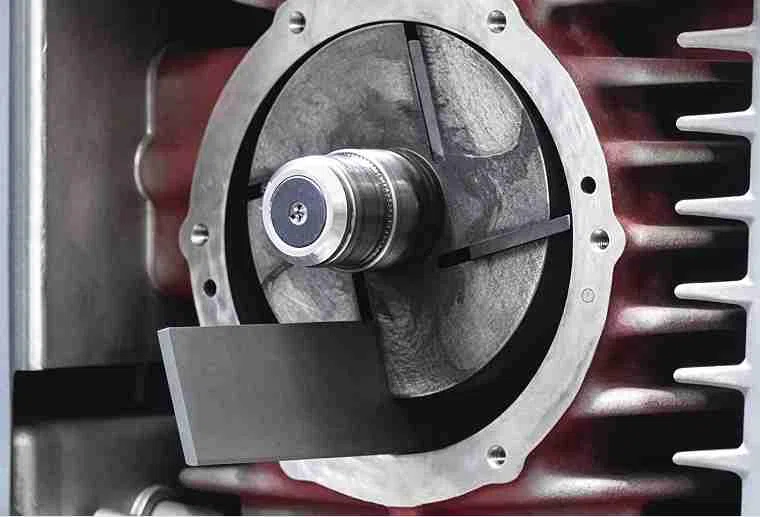
Vacuum Pump Carbon Vanes
Manufactured for dry-running rotary vane vacuum pumps. Produced using application-specific carbon graphite materials in standard or custom dimensions. Replacement evaluated based on pump data.
View Vacuum Pump Vanes →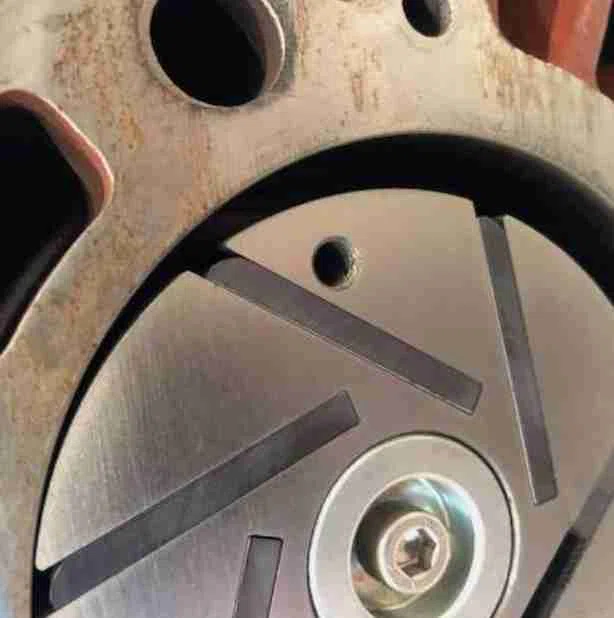
Compressor Carbon Vanes
Designed for rotary compressors operating in dry or application-specific conditions. Custom vane length, width, thickness, and edge geometry controlled during machining.
Ask About Compressor Vanes →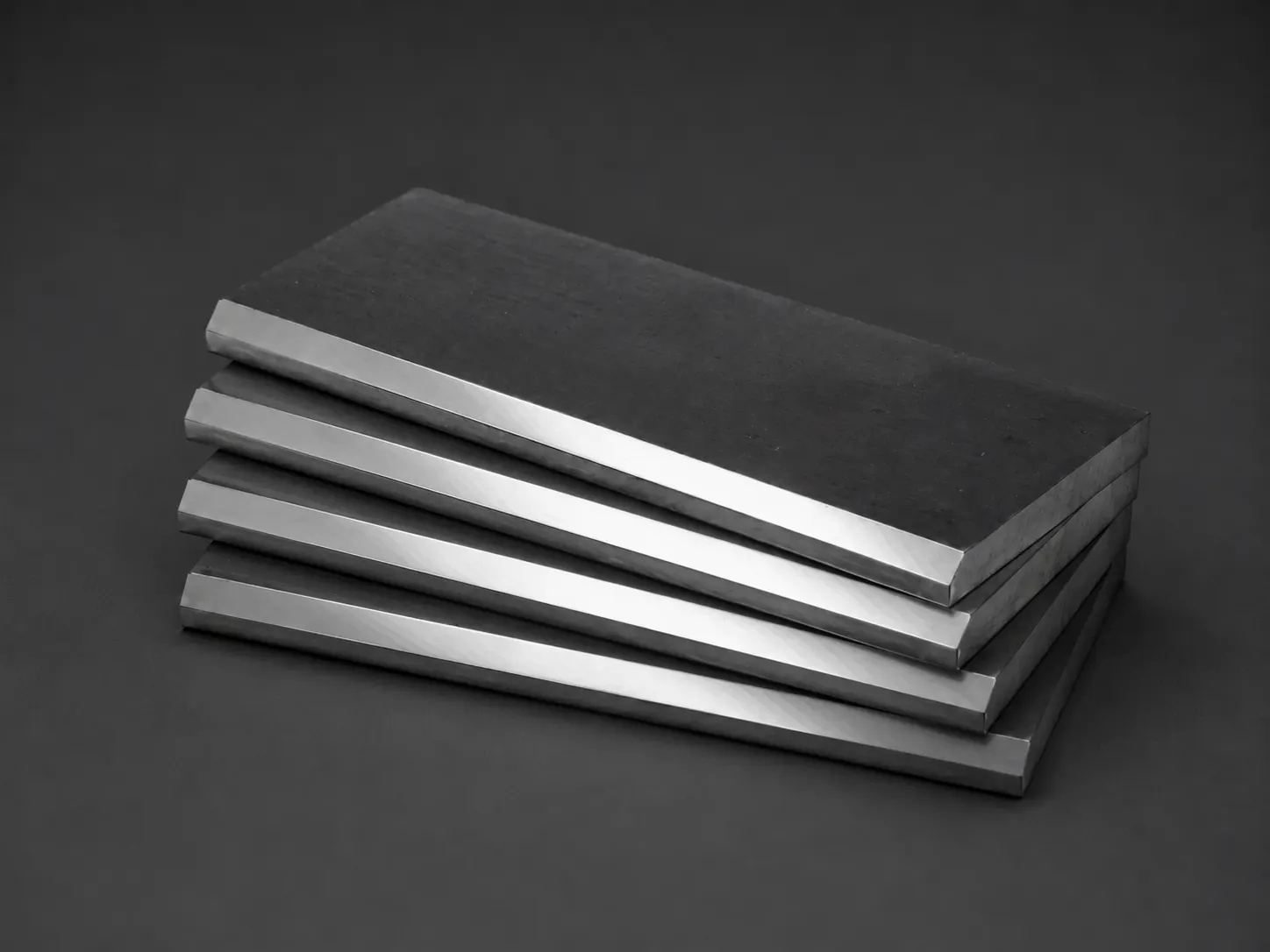
Replacement Carbon Vanes
Evaluated according to existing pump model, original part number, worn vane samples, photographs, confirmed dimensions, and required replacement quantity.
Identify a Replacement Vane →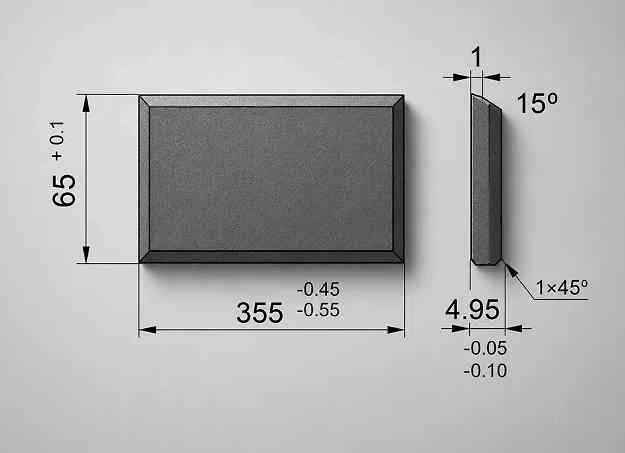
Custom Carbon Vanes
Support for non-standard dimensions, special edge profiles, drawing-based production, and sample reproduction for prototype and repeat-order projects.
Request a Custom Carbon Vane →Can’t Find the Vane You Need?
Upload a Vane Photo or DrawingWhat Does a Carbon Vane Manufacturer Do?
A carbon vane manufacturer produces precision carbon graphite components that slide inside rotor slots in vacuum pumps, compressors, and other rotary vane equipment.
The manufacturer’s role includes reviewing operating conditions, selecting an appropriate material direction, confirming dimensions, machining contact edges, controlling surface condition, producing custom geometry, inspecting finished parts, and supporting samples and repeat orders. A reliable manufacturer must understand both the material characteristics and the pump application.
Evaluate CARBOLVE for Your Vane Project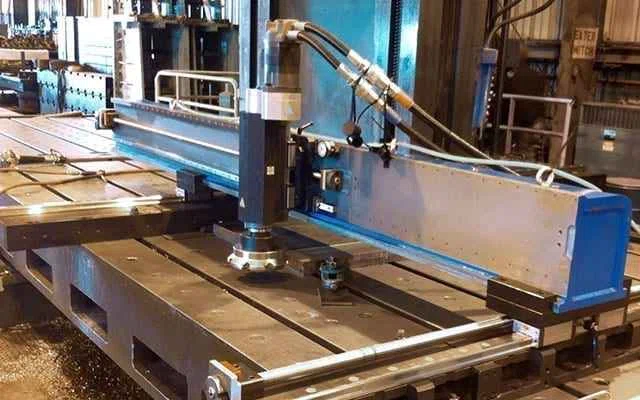
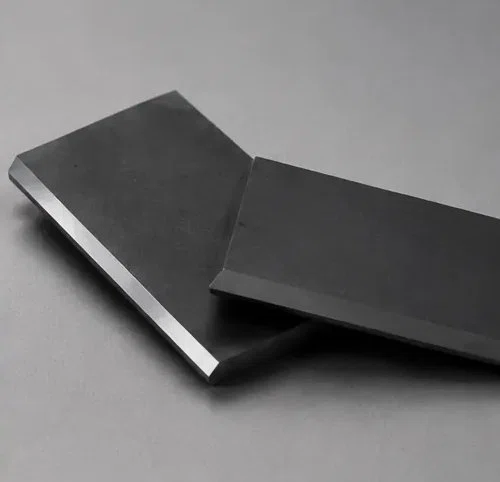
What Is a Carbon Vane?
A carbon vane is a sliding component installed in a rotor slot. During rotation, it moves outward toward the pump chamber and helps form changing volumes that move or compress gas.
Carbon graphite products are often selected because certain grades can offer low-friction behavior, self-lubricating characteristics, wear resistance, dimensional stability, thermal performance, and chemical resistance.
These properties depend entirely on the specific material grade and the operating environment of the vacuum pump.
How Does a Carbon Vane Work in a Rotary Pump?
- The rotor turns inside an offset pump chamber.
- The vanes move outward from the rotor slots.
- The vane edges remain in controlled contact with the chamber wall.
- The spaces between the vanes expand and contract.
- Gas is drawn in, transported, compressed where applicable, and discharged.
Vane movement may be supported by centrifugal force, spring force, pressure difference, or a combination. Performance depends on rotor-slot fit, vane dimensions, contact-edge geometry, material grade, surface condition, speed, temperature, humidity, filtration, pump maintenance, and operating mode.
Discuss Your Pump Operating Conditions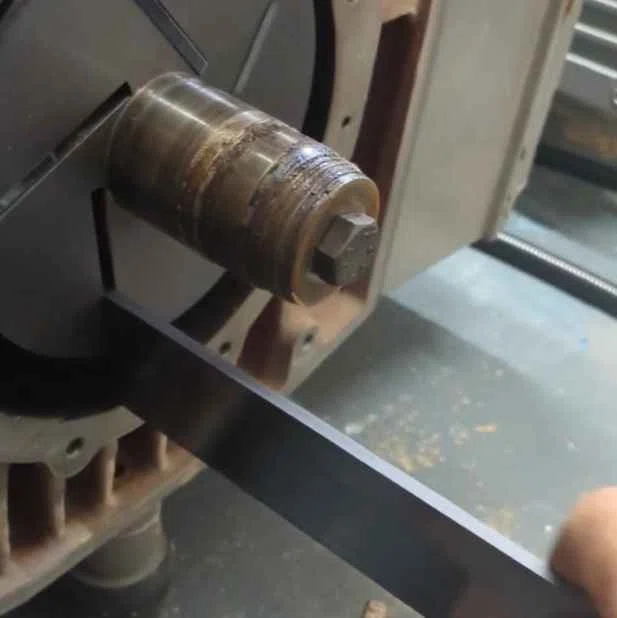
Carbon Vane Types Available From CARBOLVE
By Application
- • Vacuum pump carbon vane
- • Compressor carbon vane
- • Air pump carbon vane
- • Printing machinery vane
- • Packaging machinery vane
- • CNC vacuum system vane
By Project Type
- • OEM carbon vane
- • Replacement carbon vane
- • Prototype carbon vane
- • Custom carbon vane
- • Repeat-order production
By Operating Mode
- • Dry-running vane
- • Oil-lubricated vane
- • Wet-running vane
- • Gas-handling vane
- * Evaluated per application
By Geometry
- • Straight-edge vane
- • Beveled-edge vane
- • Chamfered vane
- • Radiused contact-edge vane
- • Slotted vane
- • Custom profile vane
Carbon Vane Geometry and Critical Design Features
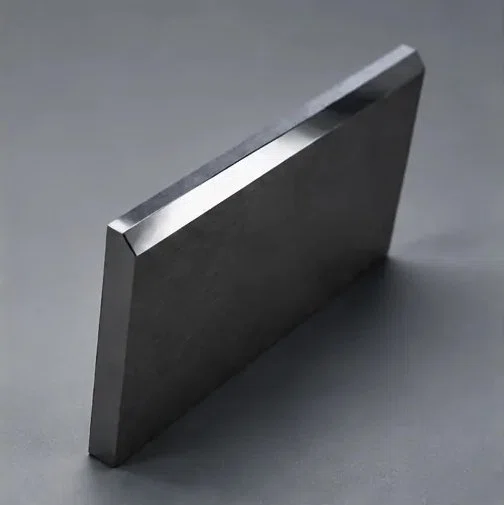
Small geometry differences can affect installation, run-in behavior, sealing, sliding movement, and edge durability.
Contact-Edge Radius
Some vane and pump designs use a radiused running surface to optimize contact.
Beveled or Angled Edge
A bevel or angled contact surface may be required by a particular rotor and chamber design.
Chamfered or Broken Edge
Controlled edge treatment may reduce sharp-edge sensitivity during handling and initial operation.
Straight Side Surfaces
Side geometry and parallelism affect smooth movement inside the rotor slot.
Carbon and Graphite Materials for Vane Applications
There is no single carbon material suitable for every pump or compressor. Material selection depends on dry or lubricated operation, medium, vacuum/pressure, speed, temperature, humidity, and mechanical load.
Carbon Graphite
May offer an application-specific balance of friction, strength, wear, thermal behavior, and chemical resistance.
Resin-Bonded Graphite
Considered for selected vane applications where mechanical and dimensional characteristics match operating conditions.
Composite Fiber Vane
A different material category used by some pump systems. [Confirm CARBOLVE manufacturing capability].
| Material Property | Why It Matters | CARBOLVE Data |
|---|---|---|
| Density | May influence structure and consistency | Available by verified grade |
| Hardness | Relates to machining and wear behavior | Available by verified grade |
| Flexural strength | Relevant to mechanical loading and edge integrity | Available by verified grade |
| Friction behavior | Influences sliding and heat generation | Application dependent |
| Thermal stability | Relevant to pump operating temperature | Available by verified grade |
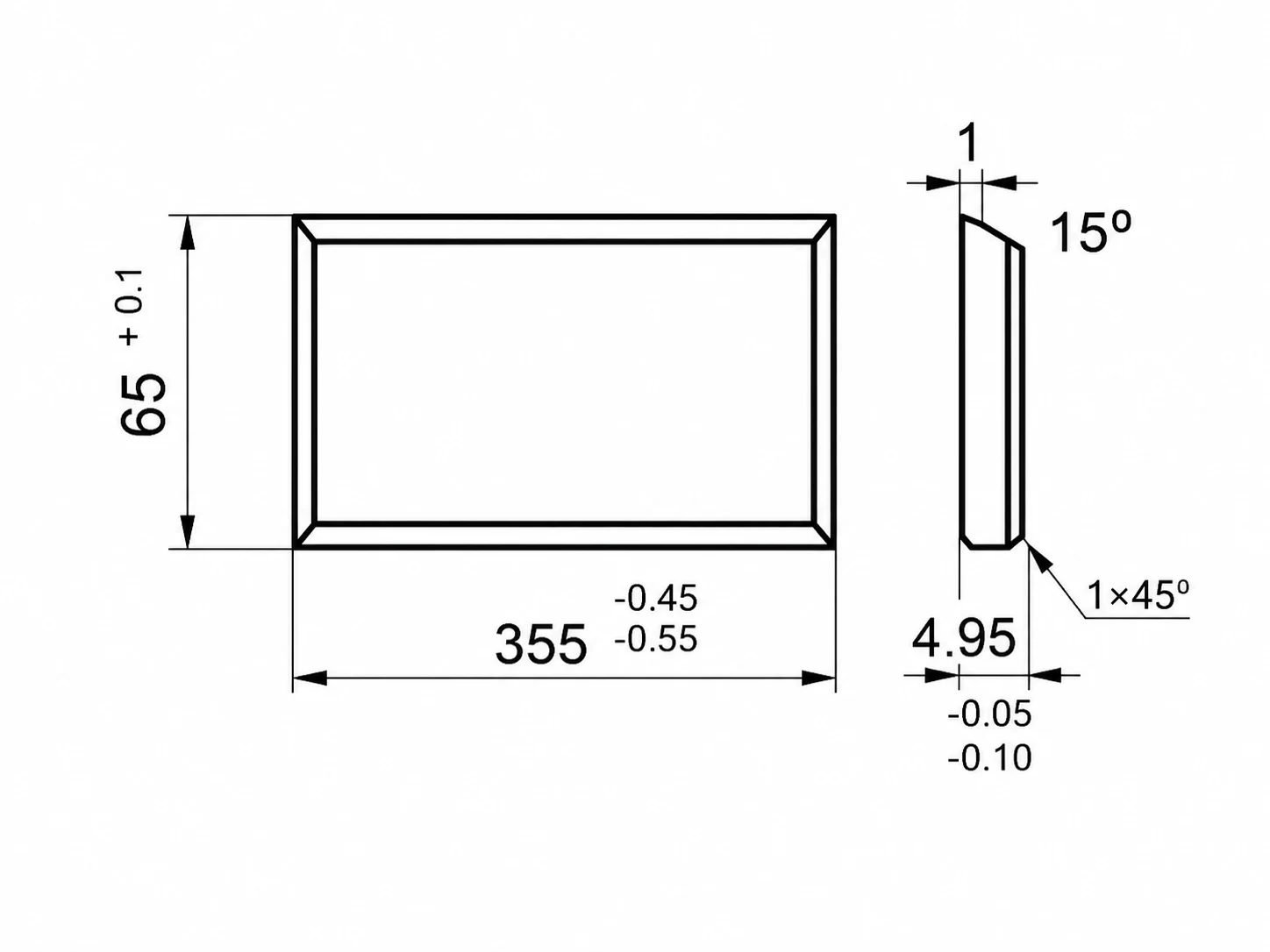
Custom Carbon Vane Specifications
Dimensional and Geometric Parameters
| Length | Produced according to drawing, sample, or confirmed pump data |
| Width | Produced according to confirmed geometry |
| Thickness | Controlled according to rotor-slot and operating requirements |
| Contact edge | Straight, angled, radiused, chamfered, or custom where verified |
| Parallelism | Confirmed according to the approved specification |
| Surface finish | Application and drawing dependent |
Required Application Information
| Pump type | Manufacturer, model, and nameplate photograph |
| Operating mode | Dry-running, lubricated, or other |
| Pump speed | Rated or actual operating speed |
| Temperature | Normal and maximum operating temperature |
| Existing failure | Wear, sticking, chipping, noise, heat, or vacuum loss |
| Quantity | Sample, maintenance, annual, or production demand |
Common Carbon Vane Sourcing and Operating Problems
Vane Sticking in the Rotor Slot
Factors: Incorrect thickness, poor dimensional consistency, rough sides, dust, rotor-slot damage, humidity, incorrect material.
CARBOLVE Response: Review the vane and slot dimensions, material, side-surface condition, humidity, and pump operating information.
Rapid Vane Wear
Factors: Unsuitable material, excessive speed/heat, poor filtration, rough chamber, contamination, misalignment.
CARBOLVE Response: Evaluate the existing vane, wear pattern, pump model, operating environment, and maintenance condition before proposing a product direction.
Edge Chipping or Breakage
Factors: Sharp edges, incorrect installation, impact, rotor-slot damage, vibration, material mismatch.
CARBOLVE Response: Review edge geometry, dimensions, handling, installation, pump condition, and material requirements.
Replacement Vane Does Not Fit
Factors: Wrong model, worn sample measurements, incorrect original length/profile, unverified part number.
CARBOLVE Response: Use drawings, pump model, original part number, multiple measurements, and clear photographs for confirmation.
Why Work With CARBOLVE as Your Carbon Vane Manufacturer?
1. Focused Carbon Experience
CARBOLVE focuses on carbon and graphite components used in electrical, vacuum, sealing, wear, and mechanical applications.
2. Drawing & Sample Production
Vanes evaluated according to drawings, physical samples, photographs, equipment models, and confirmed dimensions.
3. Custom Geometry Support
Length, width, thickness, edge geometry, grooves, chamfers, radii, and other features reviewed according to the application.
4. OEM & Replacement Projects
Review new OEM components, maintenance replacements, obsolete parts, prototypes, and repeat-order requirements.
5. Application Material Review
Material discussions consider speed, temperature, vacuum, pressure, humidity, pumped medium, and operating mode.
6. Inspection Confirmation
Critical dimensions, visual condition, identification, quantity, and packaging requirements confirmed before shipment.
How CARBOLVE Handles a Custom Carbon Vane Inquiry
Submit Information
Drawing, sample, photos, pump model, dimensions, quantity.
Application Review
Pump type, mode, speed, vacuum, temp, humidity, medium.
Geometry Confirmation
L, W, T, contact edge, bevel, chamfer, radius, grooves.
Material Direction
Evaluate possible carbon graphite material family.
Quotation
Confirm material, tolerances, quantity, packaging, terms.
Sample Production
Produce sample or trial batch where agreed.
Customer Validation
Check fit, movement, operation, wear behavior.
Batch Production
Proceed after relevant specification is approved.
How Carbon Vanes Are Manufactured
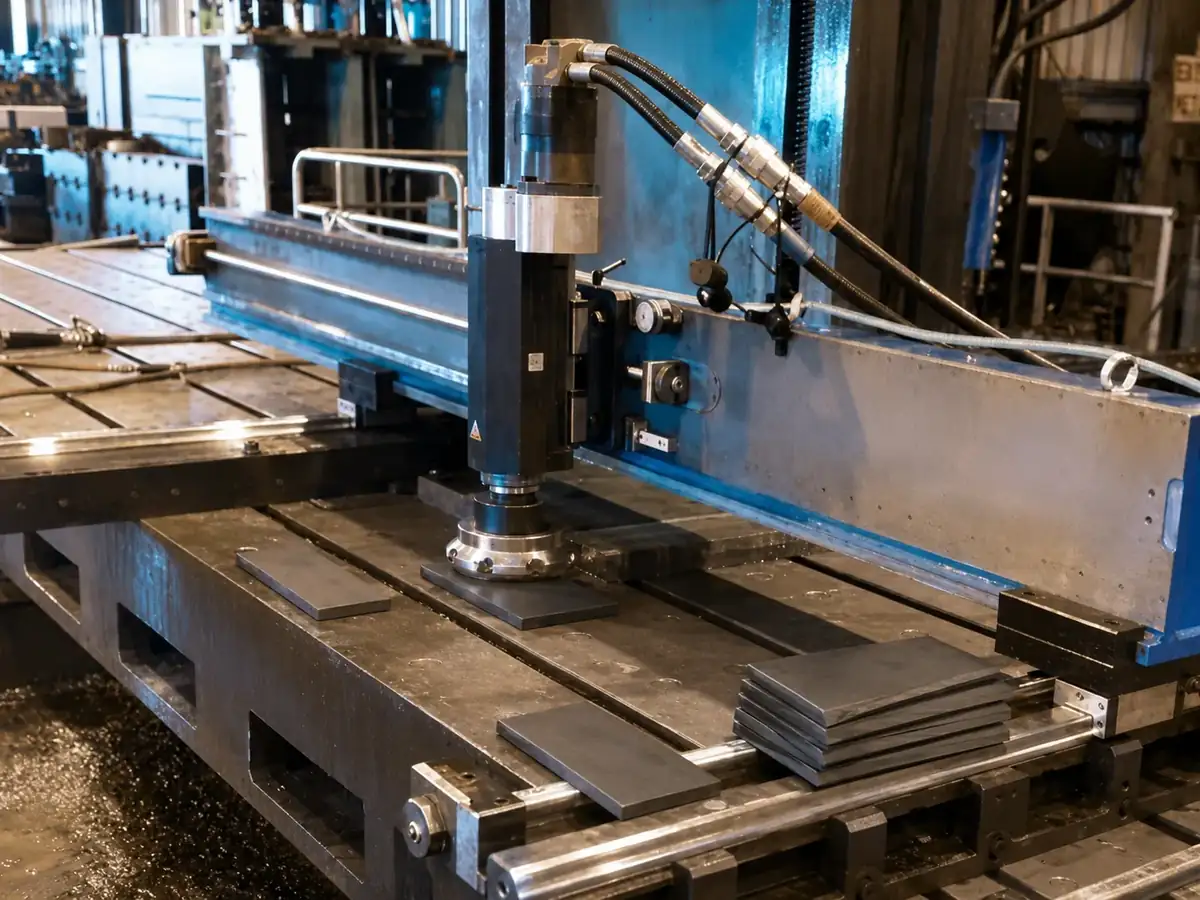
- Material Selection: Select confirmed material according to project requirement.
- Blank Cutting: Cut material to preliminary size.
- Precision Machining: Machine L, W, T, edge profile, grooves.
- Grinding: Control critical surfaces and dimensions where appropriate.
- Edge Finishing: Produce chamfers, radii, or edge breaks.
- Surface Finishing: Prepare surfaces to specification.
- Packing: Protect brittle components for transport.
Quality Control Before Shipment
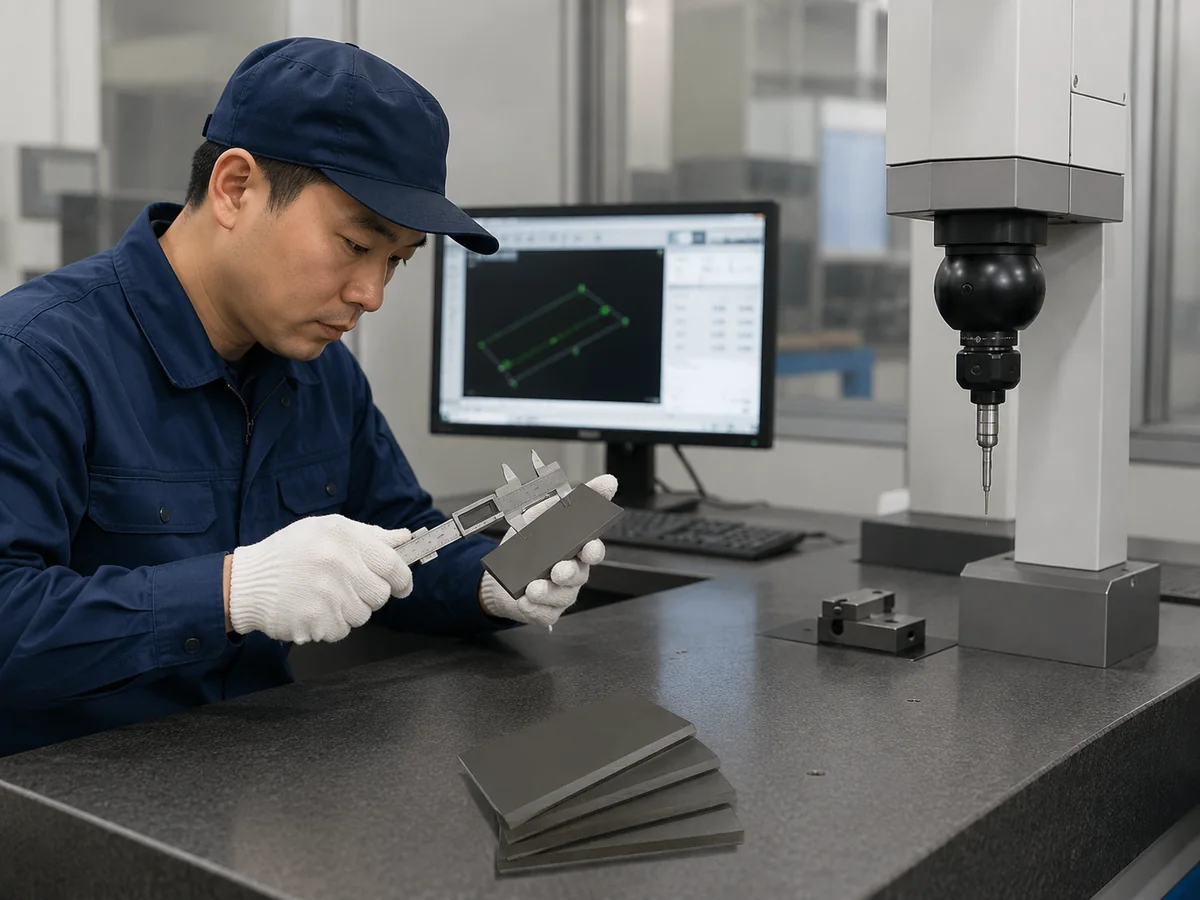
- Material Identification: Confirm agreed material reference.
- Dimensional Inspection: Length, width, thickness, radius, bevel, chamfer.
- Geometric Inspection: Parallelism, flatness, straightness where required.
- Surface & Edge: Check for cracks, chips, rough sides, defects.
- Sample Comparison: Compare critical features against approved reference.
- Quantity & Packaging: Confirm labels and suitable protection for fragile corners.
How to Measure a Carbon Vane for Replacement
Length: Measure the complete end-to-end dimension. A worn vane may be shorter than the original specification.
Width: Measure across the main vane body.
Thickness: Measure at several points to identify wear, taper, or variation.
Contact Edge: Record whether flat, rounded, radiused, beveled, or stepped.
Chamfers: Measure and photograph all treated edges.
Grooves: Record width, depth, position, and distance from ends.
Note: A worn vane should not be used as the only reference when the pump model or original part number is available.
Carbon Vane Troubleshooting Guide
Note: Symptoms can also result from housing, rotor, filter, or maintenance problems. Replacing vanes alone may not correct the underlying cause.
| Symptom | Possible Contributing Factors | Information to Check |
|---|---|---|
| Rapid wear | Material, speed, heat, contamination, chamber surface | Pump data, filter, vane material and wear pattern |
| Vane sticking | Thickness, rough sides, dust, humidity, rotor slot | Vane and slot measurements |
| Edge chipping | Impact, geometry, installation, vibration, material | Edge photographs and pump condition |
| Vacuum loss | Wear, sticking, leakage, pump damage or filter condition | Vane length, movement and full pump condition |
| Overheating | Friction, blocked filters, incorrect fit, cooling or pump fault | Temperature, filter and surface condition |
Carbon Vane Technical FAQ
What does a carbon vane manufacturer produce?
Is a carbon vane the same as a graphite vane?
How long does a carbon vane last?
Does replacing carbon vanes always restore pump performance?
Request a Custom Carbon Vane Quote
Provide available pump, vane, and application information to help CARBOLVE evaluate manufacturing feasibility.
Information Needed
- • Equipment brand & model
- • Original part number
- • Vane length, width, thickness
- • Contact-edge shape
- • Operating mode (dry/lube)
- • Pump speed & temp
- • Vacuum or pressure data
- • Required quantity
Not every item is required. Provide all currently available information.