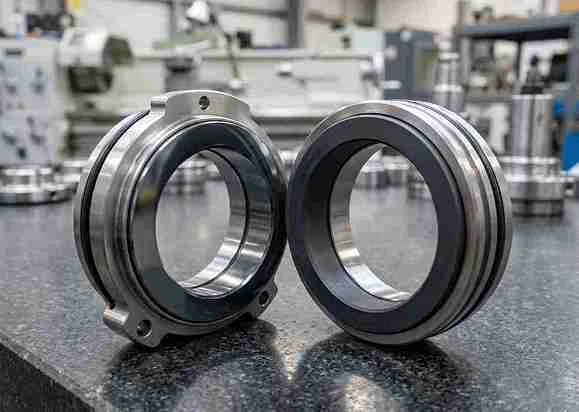
Packaging Machine Vacuum Pump Vanes
CARBOLVE manufactures replacement and custom vanes for selected rotary vane vacuum pumps used in packaging machinery. Available material constructions include carbon graphite, carbon-fiber composite, glass fiber and resin-impregnated carbon.
Match the vane to the pump model, lubrication method and packaging duty—not just its outline.
- Four material constructions for different pump requirements
- Drawing- and sample-based dimensional review
- Custom thickness, width, length and edge geometry
- Component inspection and protective packing

Vane Options for Packaging Equipment
A packaging machine may use vacuum to evacuate a package, open a bag, hold a carton or transfer a product. The installed pump determines the starting point for vane selection. Material construction and operating conditions then determine which replacement should be evaluated.
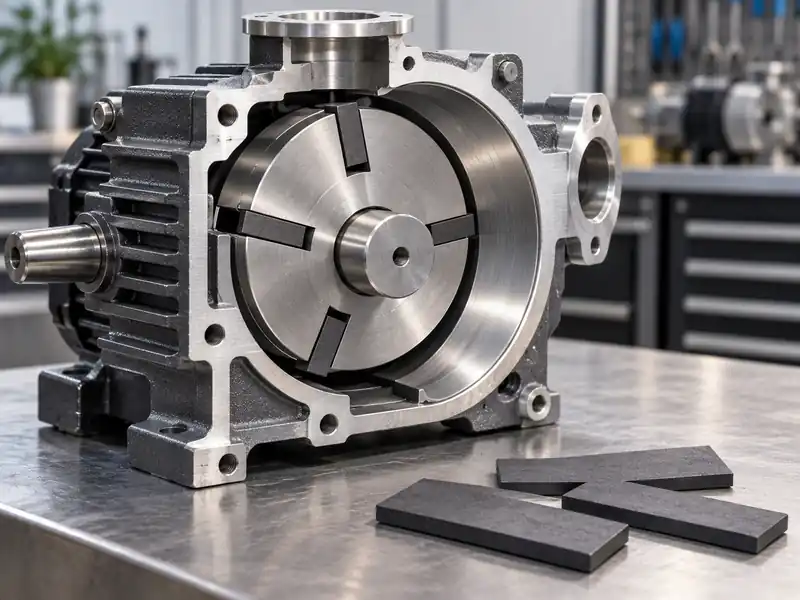
Dry-Running Carbon Graphite Vanes
Carbon graphite vanes for selected dry-running rotary vane pumps used in packaging handling and related vacuum duties. The carbon-based sliding material provides a self-lubricating route where the pump is designed to operate without oil in the pumping chamber.
- Dry-running pump design and original carbon material
- Vane geometry, temperature, humidity and duty cycle

Carbon-Fiber Composite Vanes
Replacement and custom vanes for pump designs requiring carbon-fiber composite construction. Reinforcement and matrix structure distinguish these vanes from conventional carbon graphite. Fiber orientation, edge condition and lubrication requirements are part of the material match.
- Original composite construction and pump reference
- Fiber direction, dimensions and lubrication conditions

Glass-Fiber Vanes
Vanes for selected pump configurations that specify glass-fiber construction. The reinforcement, layer arrangement and finished working edges must suit the original design. Similar dimensions alone do not establish interchangeability with a carbon or carbon-fiber vane.
- Original glass-fiber material and layer construction
- Thickness, working-edge geometry and operating conditions

Resin-Impregnated Carbon Vanes
Carbon vanes with a resin-impregnated structure for selected pump requirements. Impregnation changes the carbon body's pore structure and material behavior. Selection depends on the resin system, pumped medium, temperature and lubrication environment.
- Required impregnated-carbon construction
- Resin compatibility, temperature and lubrication method
Start with the Packaging Duty and Pump Technology
Package evacuation and vacuum handling place different demands on a pump. Identify the installed technology before selecting a replacement vane: an oil-free vacuum source is not necessarily a rotary vane pump.
| Packaging duty | Pump technology to identify | Vane-selection implication |
|---|---|---|
| Chamber packaging, tray sealing and package evacuation | Oil-lubricated rotary vane pumps are one established option; other technologies are also used | Match the original vane construction, pump version, lubricant requirements and exposure to the process medium |
| Carton erection, bag opening and pick-and-place handling | Dry-running rotary vane pumps may be used alongside other vacuum technologies | Evaluate carbon graphite only where it matches the installed rotary vane pump and its operating conditions |
| Shared vacuum supply for several packaging stations | Identify each pump within the installation | Order against the individual pump model and rotor configuration, not only the central-system name |
| Equipment using screw, claw, liquid-ring or other non-vane vacuum technology | Confirm the actual pumping mechanism | Rotary vane replacement blades are not the appropriate component |
“Oil-free” does not mean that every carbon vane is suitable. “Packaging pump” does not identify a vane material, part number or set quantity.
Material and Geometry Must Be Selected Together
Material selection addresses sliding behavior and the operating environment. Geometry determines how the vane fits and moves within the rotor. A replacement needs both to match the pump design.
Carbon Material References for Preliminary Discussion
| Material direction | CARBOLVE reference | Selection focus |
|---|---|---|
| General dry-running carbon graphite | CVV-CG20 / CVV-CG30 | Starting candidates for reviewing dry-running duty, mechanical requirements and operating conditions |
| Fine-grain carbon graphite | CVV-FG30 | A candidate where thin sections, edge integrity and dimensional requirements need particular attention |
| Resin-treated carbon graphite | CVV-RG20 / CVV-RG30 | Candidates for specified treated-carbon requirements, including selected lubricated or special-service applications |
These references support preliminary material discussion. They do not establish validated pump compatibility, equivalence to an OEM grade or a guaranteed operating limit. Final material selection requires application-specific confirmation. Carbon-fiber and glass-fiber constructions must be identified separately; they should not be assigned a carbon graphite grade code.
The Dimensions That Define a Replacement
| Feature | Why it matters |
|---|---|
| Length, height and thickness | Define the vane envelope and its relationship with the rotor slot and pump chamber |
| Working edge, bevels and radii | Affect the intended contact geometry and installation orientation |
| Slots, holes and end details | Must follow the original design rather than a visually similar substitute |
| Material or reinforcement direction | May influence machining, edge behavior and how the part is installed |
| Vanes per rotor and pump stage | Establish the correct quantity; a sales pack is not automatically a complete rotor set |
A worn vane may no longer represent its original working height or edge profile. Use an approved drawing, unworn reference or pump documentation alongside the old sample.

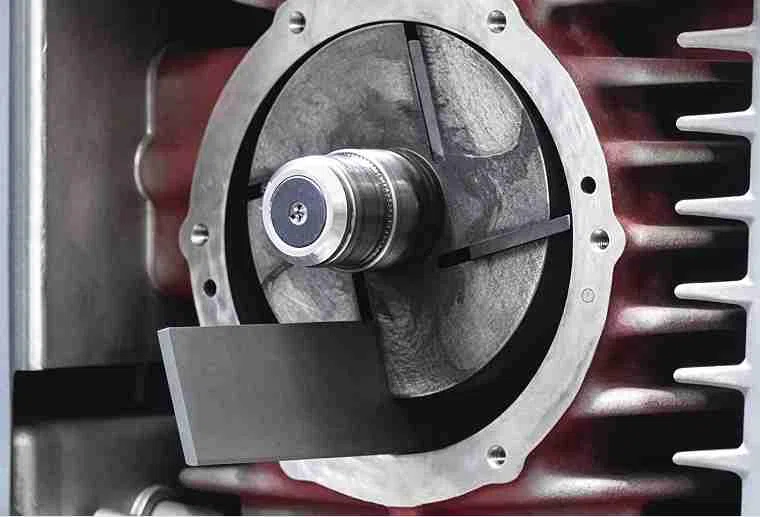
Avoid the Replacement Errors That Interrupt Packaging Work
The Shape Matches, but the Material Does Not
Two vanes can look alike while requiring different lubrication, reinforcement or temperature conditions. CARBOLVE reviews the original construction together with the drawing and operating information before selecting a manufacturing route.
The Old Vane Is the Only Available Reference
Wear, chipping and rounded edges can hide the original geometry. Drawing- and sample-based review combines the physical part with the pump identification and available service information, helping distinguish original features from damage.
Vacuum Performance Has Changed
Slower evacuation or unreliable holding may involve worn vanes, but leaks, blocked filters, restricted pipework and pump condition can produce similar symptoms. The replacement specification should be reviewed alongside the pump condition so the same problem is not carried into the next set of parts.
Manufacturing Built Around the Pump Requirement
Four Material Constructions
CARBOLVE manufactures carbon graphite, carbon-fiber composite, glass-fiber and resin-impregnated carbon vanes. The material route is evaluated against the original component and operating conditions rather than selected from appearance alone.
Drawing- and Sample-Based Customization
Custom manufacturing can address thickness, width, length, chamfers, slots and edge geometry. The review establishes which features must follow the original design and which requirements need clarification before production.
Component-Level Inspection
Material review, in-process checks, surface inspection and final verification support the agreed component requirements. Geometry and inspection criteria are defined for the project rather than assumed from a generic vane description.
Machining, Inspection and Packing
CARBOLVE manufactures industrial carbon and graphite components for equipment manufacturers, distributors and maintenance companies. Work is organized around material and drawing review, machining, inspection and packing.
Technical communication connects the pump reference with the finished-part requirements. Protective packing and product identification are coordinated for shipment.


Packaging Pump Vane Buying and Maintenance Guide
How do I choose the right vane for a packaging machine?
Start with the vacuum pump nameplate, not only the packaging machine brand. Record the complete pump model and version, available part reference, original vane material and lubrication method.
Then compare the full geometry and required vane count. CARBOLVE can review a drawing or physical sample alongside the operating conditions. Similar dimensions or a familiar brand name are not enough to establish compatibility.
How often should the vanes be inspected?
Use the inspection schedule and wear criteria in the manual for the exact pump model. There is no single inspection interval that applies to every packaging installation.
Operating hours, start-stop duty, dust exposure, temperature and the pumped medium can affect maintenance needs. Keep inspection and replacement records so changes in wear or vacuum performance can be investigated against actual service conditions.
What symptoms can indicate worn or damaged vanes?
Possible signs include longer evacuation time, reduced holding performance, unusual noise, visible chipping or abnormal wear debris. These symptoms do not identify the vane as the only possible cause.
Inspect the vacuum circuit, filters, lubricant where applicable, and pump condition as well as the vanes. Any inspection or replacement work should follow the pump manufacturer's instructions and be performed by qualified personnel.
How should I compare OEM and aftermarket replacement vanes?
An OEM vane is supplied through the original equipment manufacturer's parts system. An aftermarket vane is supplied independently. CARBOLVE supplies independently manufactured replacement and custom components, not parts represented as original pump-manufacturer products.
Compare the documented material construction, dimensions, edge details, installation requirements and application suitability. Review warranty and service conditions with the relevant equipment provider before changing the specified component.
What determines the cost of replacement vanes?
A useful comparison starts with the same technical scope. Check whether each quotation covers:
- The same material construction and finished geometry
- The same quantity and number of complete rotor sets
- Equivalent inspection and identification requirements
- Custom features or additional machining
- Packing, freight and destination-related costs
Vanes alone and a complete pump service kit are different purchases. Installation, other worn components and production downtime should be considered separately from the vane price.
Does use in food packaging make a vane food-contact approved?
No. A component's use within a packaging vacuum system does not by itself establish food-contact approval or suitability for every food-processing environment.
The equipment owner must determine the relevant exposure and compliance requirements. Moisture, cleaning agents, process vapors and possible product carryover also need to be considered when selecting the pump configuration and vane material.
Discuss Your Packaging Pump Vane Requirement
Send the pump model, available part reference, vane dimensions and original material information. Include the lubrication method, packaging duty, operating conditions and required quantity where available.
CARBOLVE will use these details to discuss the material route, manufacturing requirements and quotation scope.
For a worn sample, include a drawing or pump documentation whenever possible. Identify the number of vanes required for each rotor or pump stage.