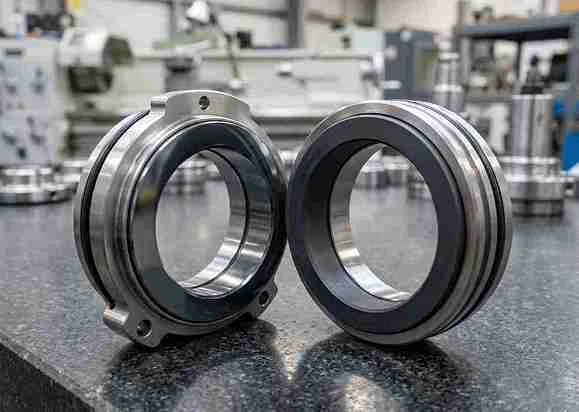

Becker Vacuum Pump Vanes Manufacturer
Replacement carbon vanes for selected dry-running Becker rotary vane vacuum pumps, evaluated from the pump model, vane dimensions, drawings or physical samples.
- Pump model and dimension review
- Custom thickness, width, length, chamfers and slots
- Application-matched carbon graphite direction
- Inspection before shipment
Replacement Vanes Start with Correct Identification
CARBOLVE manufactures carbon and graphite components for replacement and custom projects. For Becker vane inquiries, we review the exact pump model, reference information, complete vane dimensions and operating conditions before quotation.
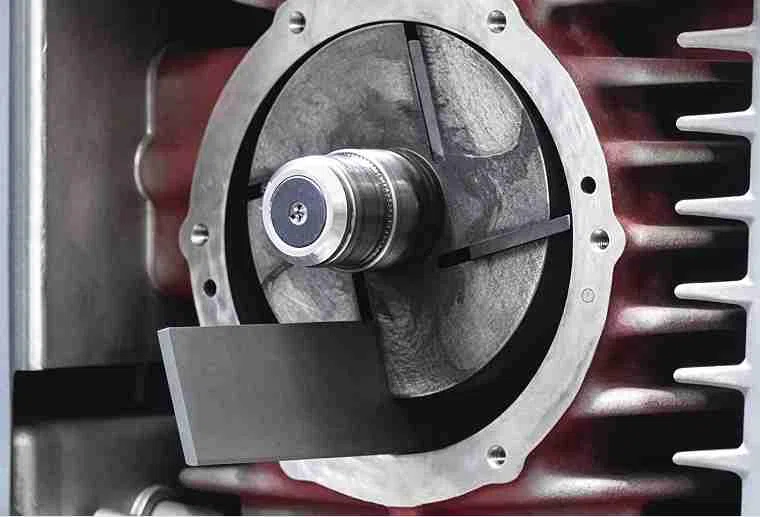
Carbon vanes slide inside the rotor slots and contact the pump cylinder as the rotor turns. In dry-running systems, application-matched carbon graphite can provide low friction, self-lubricating behavior, controlled wear and dimensional stability. Dimensions, edge geometry, set quantity and material direction may vary between pump families, so appearance alone is not enough to confirm compatibility.
Scope note: This page covers independently manufactured carbon and graphite replacement vanes for selected dry-running pump models. Oil-lubricated pumps that require laminated fiber or another vane construction need a separate material and compatibility review.
Trademark note: Becker is a trademark of its respective owner. CARBOLVE is an independent carbon component manufacturer and is not affiliated with or endorsed by Becker.

Choose the Right Evaluation Route
Start with the pump family when it is known. CARBOLVE then checks the model reference, vane geometry and operating conditions before confirming a replacement route.

VT / KVT / VTLF Series Carbon Vanes
An evaluation route for selected dry-running Becker vacuum pump models in the VT, KVT and VTLF families. Matching begins with the complete pump model, model index when applicable, WN or part reference, vane dimensions and the number of vanes in one set.
- • Exact pump model and nameplate
- • Part or WN reference when available
- • Complete dimensions and set quantity

VX / KVX / VXLF X-Series Carbon Vanes
Carbon vane replacement evaluation for selected X-Series dry-running pump models. X-Series references, dimensions and set configurations must be reviewed separately and must not be interchanged with another series based on appearance.
- • Complete X-Series model designation
- • Existing part reference or service record
- • Vane dimensions, edge form and set quantity

Custom & Obsolete Becker Vane Replacements
For obsolete parts, unclear references or projects where only a drawing or worn sample is available. CARBOLVE can review custom thickness, width, length, chamfers, slots and grade direction based on the component and operating data.
- • Drawing, sample or clear dimensional photographs
- • Pump model and available reference information
- • Speed, temperature, humidity, medium and duty cycle
Identify the Vane Before You Compare Suppliers
A pump model is the starting point, but a reliable match normally requires several identifiers. Use the following information to reduce avoidable dimensional or configuration mismatches.
| Identification item | Why it matters | What to submit |
|---|---|---|
| Pump model and model index | Similar family names can contain different vane configurations | Full nameplate details and a clear nameplate photo |
| WN, service or part reference | Connects the request to existing service documentation | Every readable reference from the old part, packaging or manual |
| Complete vane dimensions | Confirms the physical starting point for review | Length, height, thickness and relevant slot or chamfer dimensions |
| Edge geometry and orientation | A bevel, radius or directional edge can affect installation and sliding contact | Clear photographs of every edge and the original installation direction |
| Vanes per set | Different configurations may use different quantities | Count the complete rotor set, not only the remaining usable vanes |
| Drawing or physical sample | Helps review geometry when references are incomplete | Dimensioned drawing, unworn sample where available, or a worn sample with supporting measurements |
| Operating conditions | Material direction depends on more than shape | Speed, temperature, humidity, vacuum conditions, gas or medium and duty cycle |
Callout: A worn sample may no longer retain its original working dimension. Combine it with the pump model, maintenance information, drawing or an unworn reference whenever possible.

Avoid the Mismatches That Cause Repeat Work
One Model Name, Incomplete Identification
A shortened model name can omit an index, version or service reference that changes the required vane. CARBOLVE reviews the full nameplate, available WN or part reference, complete dimensions and set quantity together.
A Worn Sample Is Smaller Than the Original Part
Normal sliding wear changes the vane height over time, while chipping or cupping can distort other surfaces. A used sample remains helpful for geometry, but the review should also use maintenance data, drawings or confirmed original dimensions.

Correct Shape, Wrong Operating Direction
Two vanes can look similar while differing in carbon graphite direction or application requirements. Speed, temperature, humidity, vacuum conditions, gas or medium and duty cycle are included in the material review.
The Old Reference Is No Longer Available
For obsolete or undocumented parts, CARBOLVE can evaluate a drawing or physical sample and review custom thickness, width, length, chamfers, slots and grade direction before quotation.
Built Around Dry-Running Carbon Vane Requirements
1 Application-Matched Carbon Graphite
Material direction is reviewed against the operating data rather than selected from the pump shape alone. Suitable carbon graphite can support low friction, self-lubricating behavior, controlled wear and dimensional stability in dry-running systems.
2 Drawing- and Sample-Based Machining
Replacement geometry can be evaluated from technical drawings, physical samples, equipment models and complete dimensions. Custom machining can cover thickness, width, length, chamfers, slots and other drawing-defined features.
3 Review Before Quotation
The material direction, dimensions, operating conditions, quantity and inspection requirements are clarified before the production route is confirmed.
4 Inspection Before Shipment
Agreed dimensions, surface condition, identification and packaging requirements can be checked before dispatch.

Which Replacement Route Fits Your Situation?
| Your situation | Check first | Recommended route |
|---|---|---|
| Pump model and reference are both known | Confirm the full model, reference, dimensions and set quantity | Model-matched replacement evaluation |
| Pump model is known but the part reference is missing | Use the nameplate, manual or maintenance record together with complete vane measurements | Model and dimension review |
| Only a used vane is available | Check wear, damaged edges and whether the sample still represents the original geometry | Sample review supported by additional dimensions |
| The pump or vane reference is obsolete | Collect a drawing, sample, photographs and available equipment information | Custom or obsolete replacement evaluation |
| The operating duty has changed | Recheck speed, temperature, humidity, vacuum level, medium and duty cycle | Material and application review |
| The old vanes show chipping, cupping or diagonal wear | Inspect the rotor slots, cylinder and operating conditions before assuming that new vanes alone will solve the problem | Equipment inspection followed by vane evaluation |
Supporting note: Do not install a replacement solely because its outline appears similar. Confirm the pump documentation, complete geometry, free sliding in the rotor slot and the manufacturer’s installation direction.
Carbon Vanes for Industrial Dry-Vacuum Equipment
Dry-running rotary vane pumps are used where equipment needs a compact vacuum source without oil in the working chamber. Replacement selection still depends on the exact pump, vacuum demand, contamination level, temperature and duty cycle.
Becker Vane Selection & Replacement Guide
Review these common questions to understand the identification, inspection and replacement process for dry-running carbon vanes.
How do I identify the correct carbon vane for a Becker vacuum pump?
Begin with the complete pump model and model index, then add any WN, service or part reference shown on the old packaging, manual or maintenance record. Confirm the vane length, height, thickness, edge geometry and the number of vanes in one complete set.
When the references are incomplete, a drawing or physical sample can support the review. A worn sample should not be treated as the sole source of the original working dimension.
What are the common signs that carbon vanes need inspection?
Reduced vacuum, unusual noise or vibration, increased operating temperature, excessive carbon dust or difficult starting can indicate vane wear, but these symptoms may also have other causes.
Inspect the vane width or height against the model-specific maintenance information and check for chipping, cupping, diagonal wear or binding. The filter, rotor slots, cylinder condition and system leaks should also be reviewed before ordering parts.
Can CARBOLVE reproduce a vane from a worn sample?
A worn sample can reveal the general shape, chamfers, slots and edge orientation. However, its working height and contact surfaces may have changed during service.
For a more reliable evaluation, combine the sample with the pump model, nameplate photograph, available reference number, complete measurements and any maintenance or drawing information.
Can standard-series and X-Series vanes be interchanged?
They should not be interchanged based on appearance. Different pump families can use different references, dimensions, edge forms, set quantities or material directions.
Treat VT, KVT and VTLF requests separately from VX, KVX and VXLF requests and verify the complete pump and vane information before installation.
Are CARBOLVE vanes original Becker parts?
No. CARBOLVE is an independent manufacturer of carbon and graphite components. Replacement vanes are evaluated as independently manufactured parts for selected dry-running pump models and are not Becker original parts.
Compatibility remains subject to model, dimension, drawing or sample verification.
Will replacing the vanes always restore vacuum performance?
Not necessarily. Worn vanes can reduce sealing performance, but vacuum loss may also involve clogged filters, leaks, contaminated or restricted rotor slots, incorrect installation, or damage to the rotor and cylinder.
Inspect the pump condition and follow the equipment manufacturer’s maintenance and safety instructions before deciding that vane replacement is the only required action.

Carbon Component Manufacturing in Nantong
CARBOLVE manufactures industrial carbon and graphite components for equipment manufacturers, distributors and maintenance companies. Projects are evaluated from drawings, physical samples, equipment models, dimensions, material requirements and operating conditions.
Our production scope includes precision grinding, drilling, slotting and surface finishing for drawing-based geometries. Agreed dimensions, surface condition, identification and packaging requirements can be reviewed before shipment.
Process steps:
- 1. Submit the pump and vane information
- 2. Review the drawing, sample and operating conditions
- 3. Confirm the material direction and dimensions
- 4. Prepare the quotation and sample route when applicable
- 5. Complete production and inspection
- 6. Pack and arrange shipment
Continue Your Product Review
Request a Becker Vane Evaluation
Include the complete pump model, available WN or part reference, vane dimensions, set quantity and operating conditions. If the reference is unclear, tell us whether a drawing, physical sample or dimensional photographs are available.