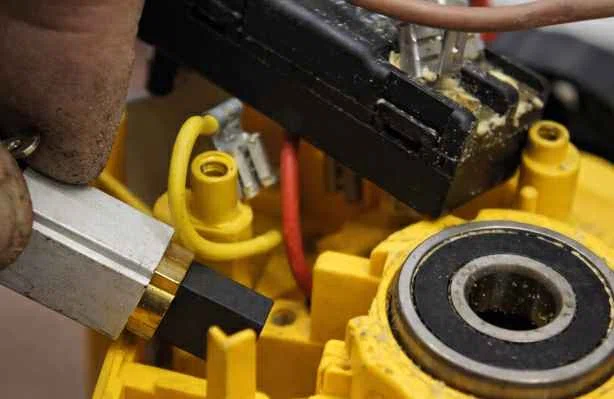
Determining the right time to replace your carbon brush is crucial for maintaining the performance and longevity of your electric motors. Generally, a carbon brush should be replaced when it has worn down to about a quarter of its original length, or roughly every 1 to 3 years depending on usage intensity. Ignoring this maintenance step can lead to severe commutator damage, excessive electrical arcing, and ultimately, costly equipment failures.
What is carbon brush?

A carbon brush is a small, sliding electrical contact component used to transmit electrical current between the stationary and rotating parts of a motor or generator. Composed primarily of graphite and carbon, it is designed to conduct electricity efficiently while withstanding continuous mechanical friction.
Composition and Design
Carbon brushes are engineered from specific blends of carbon, graphite, copper, and other conductive materials tailored to particular motor types. The structural integrity of these components allows them to absorb the wear and tear of continuous rotation, acting as a sacrificial element that protects the more expensive commutator or slip ring from degradation.
- Carbon Graphite: Ideal for high-voltage, low-current applications and older motor designs.
- Electrographite: Treated at extreme temperatures for excellent commutation, high thermal resistance, and long operational life.
- Metal Graphite: Contains varying levels of copper or silver for low-voltage, high-current applications like automotive starters.
Carbolve Pro Tip: Always match the brush grade to your specific motor application; using a brush that is too hard can prematurely wear out your commutator, while one that is too soft will require constant replacement.
How Does carbon brush Work?

A carbon brush works by maintaining continuous physical contact with a rotating commutator or slip ring. As the motor spins, the brush conducts electrical current from the stationary wires into the moving rotor, enabling the electromagnetic fields necessary for the motor to generate mechanical power.
The Mechanics of Electrical Transfer
The operation of a carbon brush relies on a delicate balance of spring pressure, electrical conductivity, and friction management. The brush is held inside a stationary brush holder and pressed against the rotating metallic surface by an adjustable spring. This constant pressure ensures that electrical arcing is minimized while current flows seamlessly into the armature.
- Spring Pressure Activation: The internal spring pushes the carbon block firmly against the commutator surface.
- Current Transmission: Electricity flows through the brush lead (shunt wire) directly into the carbon material.
- Rotational Contact: The brush glides over the rotating slip ring, depositing a microscopic lubricating film.
- Electromagnetic Induction: The transferred current energizes the rotor windings, creating the magnetic field required for motion.
Carbolve Pro Tip: Check your spring tension regularly. If the pressure is too light, it causes electrical arcing and sparking; if it is too heavy, it causes excessive mechanical wear and overheating.
What are the benefits of carbon brush?

Carbon brushes offer exceptional electrical conductivity, self-lubricating properties, and high thermal resistance. They act as a sacrificial component, absorbing the physical wear of the motor’s rotation to protect the expensive commutator and ensure reliable, continuous power transmission in heavy-duty machinery.
Advantages of Carbon-Based Contacts
The unique properties of carbon make it the ideal material for electrical transfer in moving parts. Unlike solid metal contacts, carbon brushes do not weld to the commutator when exposed to high heat or electrical arcing, ensuring smooth and safe operation.
Based on our internal data and market analysis, here is the breakdown:
| Benefit | Description | Impact on Motor |
|---|---|---|
| Self-Lubrication | Graphite naturally reduces mechanical friction. | Extends the commutator’s lifespan. |
| Thermal Tolerance | Withstands extreme heat generated by friction and arcing. | Prevents melting and catastrophic motor failure. |
| Cost-Efficiency | Inexpensive and easy to replace compared to rotors. | Lowers overall equipment maintenance costs. |
Carbolve Pro Tip: To maximize these benefits, ensure your motor operates within its rated load capacity. Overloading the motor degrades the self-lubricating film on the commutator, leading to rapid brush wear.
How to maintain a carbon brush?
Maintaining a carbon brush involves regular visual inspections for wear, cleaning carbon dust from the brush holder, and ensuring proper spring tension. You should replace the brush immediately once it wears down to the manufacturer’s indicator line or a quarter of its original length.
Routine Maintenance Procedures
Effective maintenance extends the life of both the carbon brush and the electric motor. Accumulated carbon dust from normal wear can cause electrical shorts or cause the brush to stick inside its housing, preventing it from making proper contact with the commutator.
- Power Down: Always disconnect power and lock out the equipment before inspecting the motor.
- Visual Inspection: Check the length of the brush; replace it if it is under 1/4 inch or worn past the indicator line.
- Clean the Holder: Use dry compressed air to blow out accumulated carbon dust from the housing.
- Check the Commutator: Look for grooving, burning, or uneven wear on the metal surface that might indicate brush bouncing.
- Seat New Brushes: When replacing, use a seating stone to shape the new brush to the exact curve of the commutator.
Carbolve Pro Tip: Never mix old and new brushes, or brushes of different grades on the same motor. This causes uneven current distribution, sparking, and rapid failure.
What is the price of carbon brush?
The price of a carbon brush typically ranges from $5 for small power tools to over $100 for large, industrial-grade motors. Costs vary significantly based on the brush size, material composition, copper content, and the specific equipment brand or application.
Pricing Breakdown by Application
Understanding the cost of replacement brushes helps in budgeting for routine preventative maintenance. Consumer-grade brushes are inexpensive and easily accessible, while industrial electrographite or metal-graphite brushes demand a premium due to their specialized manufacturing processes and high durability requirements.
Based on our internal data and market analysis, here is the breakdown:
| Application Type | Average Price Range | Material Grade |
|---|---|---|
| Power Tools (Drills, Saws) | $5 – $15 | Hard Carbon / Resin Bonded |
| Household Appliances | $10 – $25 | Standard Graphite |
| Automotive (Alternators) | $15 – $40 | Copper Graphite |
| Industrial DC Motors | $50 – $150+ | Electrographite / Silver Graphite |
Carbolve Pro Tip: While aftermarket brushes might seem like a cost-effective choice, investing in OEM or high-quality Carbolve replacements ensures optimal conductivity and prevents expensive commutator damage.
Key Features & Comparison
Carbon brushes are categorized by their material composition, each offering distinct features such as varying resistance levels, friction coefficients, and current densities. Comparing these features ensures you select the exact grade required for your specific voltage and speed requirements.
Material Grade Comparison
Selecting the right carbon brush involves comparing the key operational features of different carbon grades. Using an incompatible material can lead to poor commutation, excessive heat, and accelerated wear on the motor’s internal components.
Based on our internal data and market analysis, here is the breakdown:
| Feature | Electrographite | Metal Graphite | Resin Bonded |
|---|---|---|---|
| Current Density | Medium to High | Very High | Low |
| Friction Coefficient | Low | Medium | High |
| Primary Use | Industrial DC Motors | Slip Rings, Alternators | Small Appliances |
| Durability | Excellent | Good | Fair |
Carbolve Pro Tip: Always prioritize current density ratings when comparing brushes; exceeding a brush’s rated density will lead to overheating, sparking, and rapid deterioration.
Cost & Buying Factors
When purchasing a carbon brush, the primary buying factors include the required material grade, physical dimensions, shunt wire configuration, and operating environment. Balancing the initial purchase cost against the expected lifespan and maintenance frequency is crucial for long-term operational savings.
Essential Purchasing Considerations
Beyond the initial sticker price, buyers must evaluate several technical parameters to ensure compatibility and efficiency. Incorrect sizing or improper material selection can lead to catastrophic motor failure, making the buying process a critical maintenance step.
- Dimensions: Measure length, width, and thickness with digital calipers to ensure a perfect fit in the brush holder.
- Shunt (Wire) Type: Ensure the lead wire is properly insulated and the terminal matches your motor’s connection point.
- Environmental Factors: Consider if the motor operates in high humidity, extreme heat, or corrosive environments, which dictate specific brush treatments.
- Brand Reputation: Opt for trusted manufacturers like Carbolve to guarantee material purity, consistent performance, and reliable technical support.
Carbolve Pro Tip: Buy brushes in bulk for your critical machinery. Having a spare set on hand eliminates costly operational downtime when unexpected wear occurs.
Conclusion
Regularly monitoring and replacing your carbon brush is a fundamental aspect of motor maintenance that should never be overlooked. By understanding the wear indicators, material grades, and operational mechanics, you can significantly extend the life of your equipment while preventing catastrophic failures. Stay proactive with your maintenance schedules, check your spring tensions and commutators regularly, and always choose high-quality components like Carbolve brushes to ensure peak performance and long-term reliability in all your electrical motors.