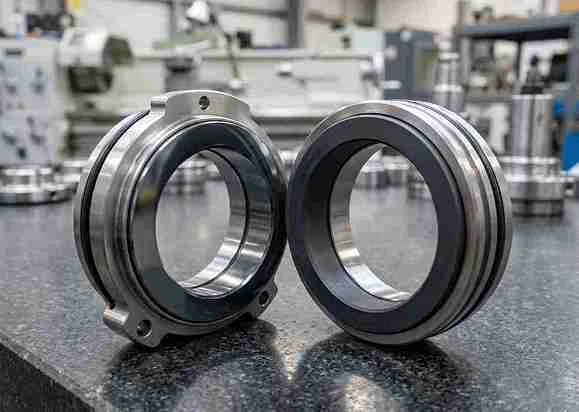
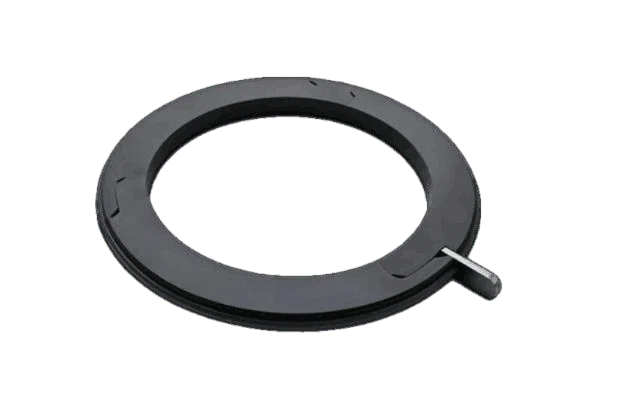
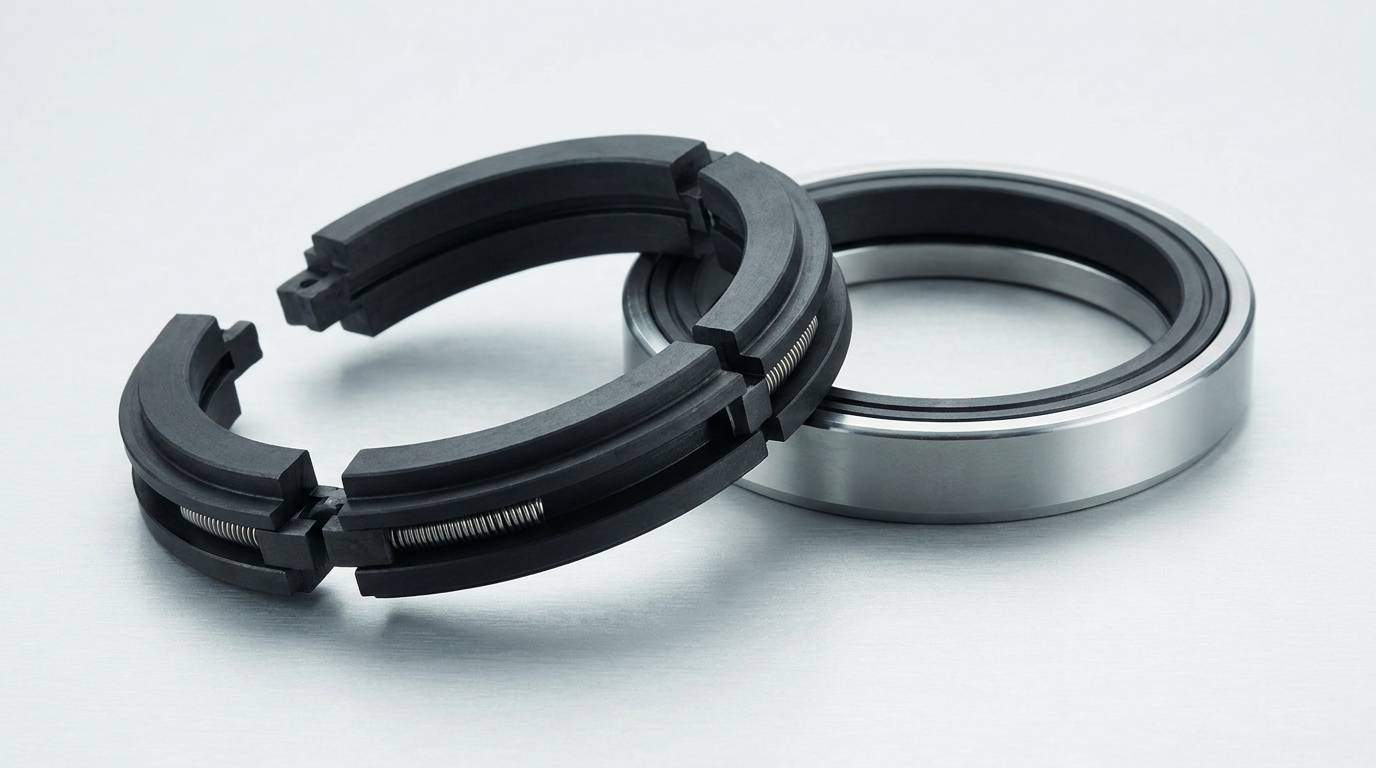
A segmented carbon ring seal is an advanced mechanical sealing solution designed to restrict the leakage of gases or fluids along the rotating shafts of high-performance industrial equipment. Consisting of multiple precisely machined carbon graphite segments held together by a garter spring, these seals accommodate thermal expansion and shaft runout while maintaining a tight clearance. They are critical components in turbines, compressors, and blowers where reliability and minimal friction are paramount.
What is segmented carbon ring seal?
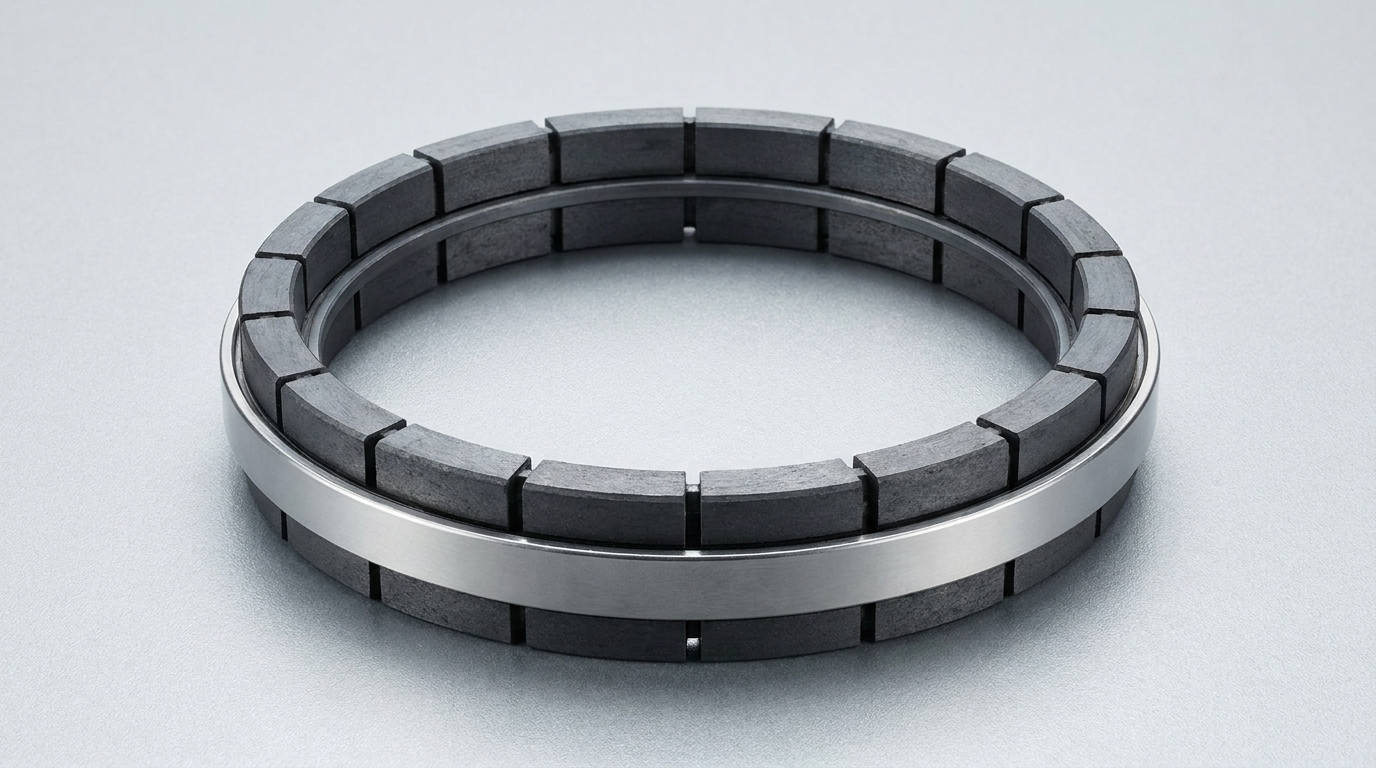
A segmented carbon ring seal is a specialized shaft seal composed of individual carbon graphite arcs bound together by a tensioning spring. It creates a highly effective, low-friction barrier against gas or steam leakage in rotating machinery, automatically adjusting to shaft movements and temperature fluctuations.
Anatomy of a Segmented Seal
The architecture of a segmented carbon ring seal is designed for dynamic environments where traditional solid rings would fail or wear prematurely. By breaking the ring down into three or more segments, the seal can radially float and maintain optimal clearance.
- Carbon Segments: High-grade graphite pieces machined to exact tolerances for a precise fit.
- Garter Spring: A circumferential tensioning mechanism that holds the segments together against the shaft.
- Anti-Rotation Pin: Prevents the entire ring assembly from spinning with the rotating shaft.
- Seal Housing: The stationary casing that houses the ring and aligns it properly within the machinery.
Carbolve Pro Tip: Always inspect the joints where the segments meet during assembly. Even a microscopic gap or misalignment at the segment interfaces can create a leakage path that compromises the entire sealing system.
How Does segmented carbon ring seal Work?
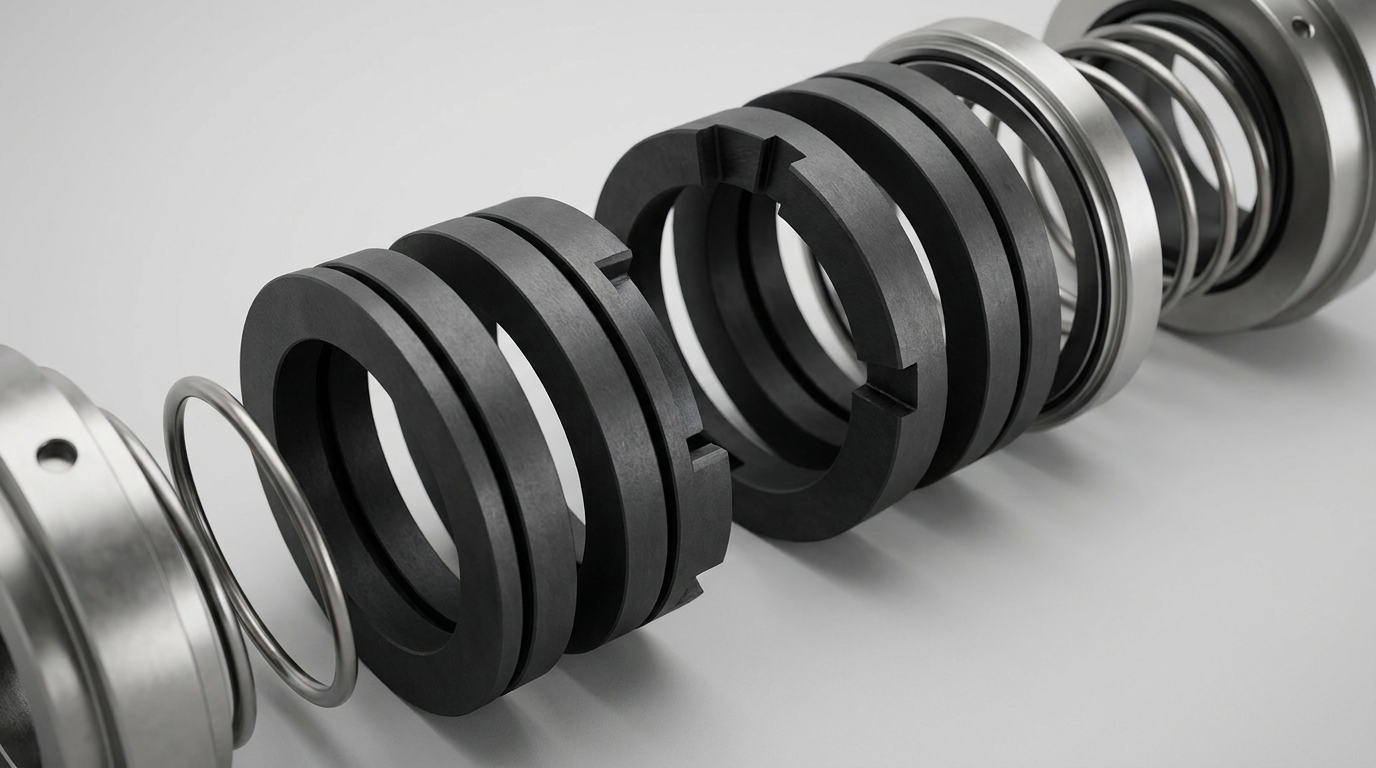
The seal operates by utilizing a garter spring to apply constant inward radial pressure on the carbon segments, keeping them closely fitted around the rotating shaft. As aerodynamic or fluid pressure builds, it further seats the segments against the housing, creating a tortuous path that minimizes leakage.
The Dynamic Sealing Mechanism
The operational success of a segmented carbon ring seal relies on controlled clearances and self-lubricating properties. As the shaft rotates, the carbon graphite naturally deposits a microscopic lubricating film, preventing metal-to-carbon damage.
- Initial Tensioning: The garter spring pulls the segments inward to establish the baseline clearance around the shaft.
- Pressure Actuation: System gas or steam pressure pushes the ring against the downstream face of the housing, forming an axial seal.
- Thermal Expansion: As temperatures rise, the segmented design expands uniformly without binding or fracturing.
- Wear Compensation: As the inner diameter of the carbon wears over time, the spring continuously draws the segments closer, maintaining the seal integrity.
Carbolve Pro Tip: Ensure that the operating gas is clean and dry. Moisture or particulate matter can disrupt the carbon’s self-lubricating transfer film, leading to rapid wear and premature seal failure.
What are the benefits of segmented carbon ring seal?
Segmented carbon ring seals offer exceptional durability, self-lubation, and thermal stability in extreme industrial environments. Their unique segmented design allows for continuous wear compensation, lower friction, reduced shaft scoring, and the ability to handle high-speed rotations without catastrophic failure.
Performance Advantages in Rotating Machinery
Choosing a segmented carbon ring seal over conventional labyrinth or mechanical seals provides distinct operational advantages, particularly in applications involving dry gases or steam where liquid lubrication is impossible.
Based on our internal data and market analysis, here is the breakdown:
| Benefit | Description | Impact on Operations |
|---|---|---|
| Self-Lubricating | Graphite naturally reduces friction without oil. | Eliminates the need for complex fluid lubrication systems. |
| Thermal Resilience | Withstands extreme temperature fluctuations. | Prevents seal cracking or binding during thermal shock. |
| Wear Compensation | Spring tension adjusts segments as they wear. | Extends maintenance intervals and operational lifespan. |
| Shaft Protection | Carbon is softer than steel. | Prevents expensive shaft scoring and galling. |
Carbolve Pro Tip: Leverage the wear-compensating nature of these seals to safely extend your planned maintenance cycles, but always monitor the spring tension during routine checks to ensure optimal performance.
How to maintain a segmented carbon ring seal?
Maintaining a segmented carbon ring seal requires regular visual inspections, monitoring for abnormal gas leakage, and ensuring the garter springs retain proper tension. During overhauls, components must be carefully cleaned, and carbon segments checked for uneven wear, cracking, or loss of edge integrity.
Routine Maintenance Procedures
Proper maintenance is essential to maximize the lifespan of a segmented carbon ring seal. Because carbon is inherently brittle, handling procedures during maintenance are just as critical as the operational checks.
- De-pressurize and Isolate: Safely shut down the equipment and ensure zero pressure in the seal cavity before opening.
- Careful Extraction: Remove the housing and gently disengage the garter spring without snapping it against the fragile carbon.
- Inspect Segments: Look for chipping, uneven wear patterns, or carbon dust buildup on the segment faces.
- Clean Components: Use approved, non-residue solvents to clean the seal housing and anti-rotation pins.
- Reassembly: Reinstall the segments in their matched order, ensuring the joints align perfectly before applying the spring.
Carbolve Pro Tip: Never mix and match segments from different seal rings. Segments are machined as a complete set, and mixing them will result in improper clearances and guaranteed leakage.
What is the price of segmented carbon ring seal?
The price of a segmented carbon ring seal typically ranges from $150 to over $2,000 per assembly, depending on the shaft diameter, operating parameters, and specific graphite grades required. Custom-engineered seals for high-pressure turbines or specialized compressors represent the higher end of this spectrum.
Pricing Variables and Cost Drivers
The cost of a segmented carbon ring seal is not monolithic; it fluctuates based on several engineering and material factors. High-performance applications demand specialized carbon blends that significantly impact the final price.
Based on our internal data and market analysis, here is the breakdown:
| Seal Category | Estimated Price Range | Typical Application |
|---|---|---|
| Standard Industrial | $150 – $400 | General blowers, low-pressure fans |
| Mid-Range Performance | $400 – $900 | Standard compressors, steam joints |
| High-Performance/Custom | $900 – $2,500+ | High-speed turbines, aerospace applications |
Carbolve Pro Tip: When evaluating the price, factor in the total cost of ownership. Investing in a premium Carbolve seal with advanced graphite grades often pays for itself by preventing just one unplanned downtime event.
Key Features & Comparison
When selecting a sealing technology for rotating equipment, it is vital to compare segmented carbon ring seals against alternative solutions like labyrinth seals or mechanical face seals to ensure optimal machinery performance.
Based on our internal data and market analysis, here is the breakdown:
| Feature | Segmented Carbon Ring Seal | Labyrinth Seal | Mechanical Face Seal |
|---|---|---|---|
| Leakage Rate | Very Low | Moderate to High | Extremely Low |
| Friction | Low (Self-lubricating) | Zero (Non-contacting) | Moderate to High |
| Wear Compensation | Yes (Spring tensioned) | No | Yes (Spring/Bellows) |
| Complexity | Moderate | Low | High |
| Cost | Medium | Low | High |
Cost & Buying Factors
Purchasing the right segmented carbon ring seal requires a thorough understanding of your machinery’s specific operating environment. Keep these primary buying factors in mind:
- Operating Temperature: Ensure the chosen carbon grade can withstand peak operating temperatures without oxidizing or degrading.
- Shaft Speed (RPM): High-velocity applications may require specialized segment designs to prevent the aerodynamic lifting of the carbon rings away from the shaft.
- Media Type: The specific gas, steam, or fluid being sealed dictates the necessary chemical resistance and porosity of the graphite.
- Clearance Tolerances: Precision machining is essential for maintaining the delicate balance between preventing leakage and avoiding shaft binding.
Conclusion
In summary, a segmented carbon ring seal is an indispensable component for maintaining efficiency and safety in high-performance rotating machinery. By leveraging self-lubricating carbon graphite and a dynamic, wear-compensating design, these seals provide a reliable, low-friction barrier against gas and steam leakage. Whether you are upgrading an industrial compressor or maintaining a steam turbine, selecting a high-quality seal is critical for long-term operational success. For expertly engineered sealing solutions tailored to your specific requirements, trust Carbolve to deliver unmatched durability, precision, and performance.