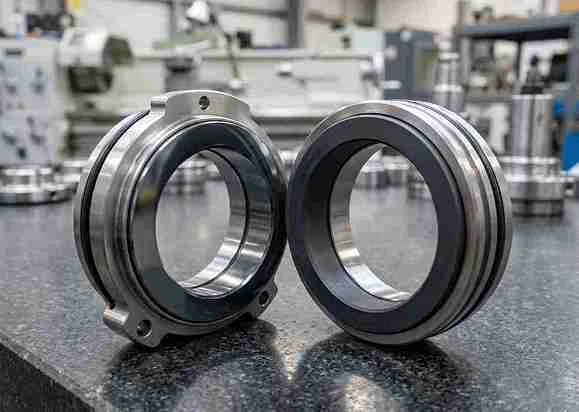
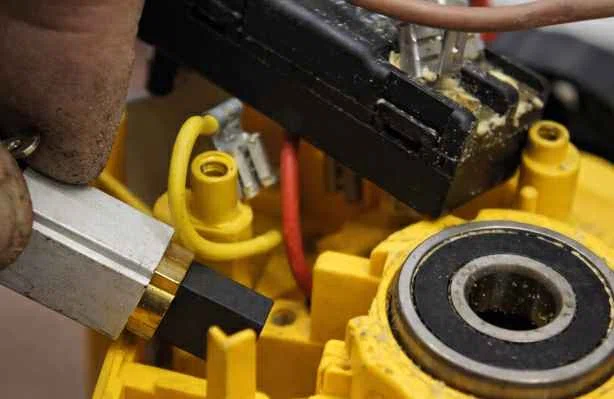
Carbon brushes are essential electromechanical components used to transmit electrical current between stationary and rotating parts in motors or generators. They serve as a critical bridge in tools, industrial machinery, and automotive applications, ensuring seamless power transfer without tangling wires. Whether in a heavy-duty industrial alternator or a compact household power tool, a high-quality carbon brush guarantees optimal motor performance and longevity.
What is carbon brush?
A carbon brush is a small sliding contact made primarily of graphite or carbon materials. It is designed to conduct electrical current from a static connection to the moving rotor of a motor or generator, ensuring continuous power transmission while accommodating the mechanical friction of the rotating assembly.

Composition and Material Grades
To meet diverse industrial demands, these components are engineered using various specialized blends. The specific material dictates the component’s conductivity, friction coefficient, and operational lifespan.
- Electrographite: Ideal for high-voltage and heavy industrial applications due to its excellent thermal stability.
- Copper-graphite: Heavily utilized in low-voltage, high-current environments like automotive starters and slip rings.
- Resin-bonded: Best suited for machines with high contact resistance requirements and fractional horsepower motors.
- Silver-graphite: Premium blends used in signal transmission and aerospace applications where minimal electrical noise is critical.
Carbolve Pro Tip: Always match the carbon brush material to your motor’s specific operational voltage and RPM to prevent premature commutator wear and ensure maximum efficiency.
How Does carbon brush Work?
The carbon brush works by maintaining constant physical contact with a rotating commutator or slip ring. As the motor spins, the brush conducts electricity through this sliding connection, completing the electrical circuit and generating the electromagnetic field required to keep the rotor turning efficiently.

The Mechanism of Power Transfer
Understanding the mechanical and electrical synergy of this component reveals why it is indispensable in rotating machinery. The process relies on precise physical tension and material conductivity.
- A calibrated spring mechanism presses the brush firmly against the commutator surface.
- Electrical current flows from the stationary power source, through the shunt wire, and into the carbon body.
- The graphite material transfers the current across the microscopic air gap to the spinning commutator segments.
- A lubricating film (patina) is naturally deposited by the brush onto the commutator, reducing friction as the rotor spins.
- The continuous flow of electricity sustains the magnetic field, allowing uninterrupted motor rotation.
Carbolve Pro Tip: Check the spring tension regularly. If the tension is too low, the brush will spark excessively; if it is too high, it will cause severe friction and rapid mechanical wear.
What are the benefits of carbon brush?
Carbon brushes offer excellent electrical conductivity, self-lubricating properties, and high thermal resistance. They protect the more expensive rotating components of a motor by acting as a sacrificial wear part, ensuring that friction and electrical arcing do not damage the commutator or slip rings over time.
Core Advantages in Motor Applications
Based on our internal data and market analysis, here is the breakdown:
| Benefit | Description | Impact on Motor Performance |
|---|---|---|
| Self-Lubrication | Graphite naturally reduces surface friction. | Lowers heat generation and minimizes commutator wear. |
| Thermal Stability | Capable of withstanding high operating temperatures. | Prevents melting or structural degradation during heavy loads. |
| Cost-Efficiency | Acts as an easily replaceable sacrificial component. | Saves thousands in potential rotor or motor replacement costs. |
| Arc Suppression | Engineered resistivity helps manage electrical sparking. | Provides a smoother power transfer and reduces electrical noise. |
Carbolve Pro Tip: Upgrading to a premium graphite blend tailored to your specific application can increase your motor’s lifespan by up to 30% by significantly reducing friction-induced heat.
How to maintain a carbon brush?
Proper maintenance of a carbon brush involves regular visual inspections for wear, monitoring spring tension, and cleaning the commutator to remove carbon dust buildup. Replacing the brush before it wears down to the shunt wire is crucial to prevent catastrophic damage to the motor’s internal components.

Essential Maintenance Protocol
Routine upkeep is the most effective way to prevent unexpected downtime. Implementing a strict inspection schedule ensures your machinery operates safely and efficiently.
- Isolate Power: Always disconnect all electrical power sources before opening the motor housing.
- Inspect Wear Lines: Remove the brush holder and check the remaining carbon length against the manufacturer’s wear indicator line.
- Clean the Assembly: Use dry compressed air to carefully blow out accumulated carbon dust from the commutator and brush housings.
- Examine the Commutator: Check the copper surface for deep scoring, uneven wear, or severe burn marks, which indicate poor brush contact.
- Replace in Sets: Always install completely new brushes simultaneously if the current ones are nearing the end of their usable life.
Carbolve Pro Tip: Never mix old and new brushes, or brushes of different material grades, on the same commutator, as this causes uneven current distribution and severe sparking.
What is the price of carbon brush?
The price of a carbon brush ranges from a few dollars for standard power tool replacements to over fifty dollars for specialized, heavy-duty industrial variants. Costs are primarily determined by the material composition, size, custom shunt configurations, and the specific application requirements of the machinery.
Pricing Tiers by Application
Based on our internal data and market analysis, here is the breakdown:
| Application Category | Average Price Range | Typical Material Composition |
|---|---|---|
| Household Power Tools | $2 – $10 per pair | Hard Carbon / Standard Graphite |
| Automotive (Starters/Alternators) | $15 – $30 per set | Copper-Graphite |
| Standard Industrial Motors | $20 – $50 each | Electrographite |
| Heavy/Specialized Industrial | $50 – $150+ each | Silver-Graphite / Custom Blends |
Carbolve Pro Tip: While it might be tempting to buy the cheapest replacements, investing in OEM-equivalent or high-grade brushes prevents expensive downtime and costly commutator repairs in the long run.
Key Features & Comparison
Key features of a high-quality carbon brush include optimal resistivity, low friction coefficients, and robust mechanical strength. Comparing different brush grades reveals distinct variations in current density limits and maximum surface speeds, allowing engineers to select the perfect match for specific electrical and mechanical demands.
Material Grade Comparison
Based on our internal data and market analysis, here is the breakdown:
| Feature | Electrographite | Copper-Graphite | Resin-Bonded |
|---|---|---|---|
| Current Density | Medium to High | Very High | Low |
| Friction Coefficient | Low | Medium | High |
| Voltage Drop | Medium | Low | High |
| Best Application | Traction motors, DC drives | Slip rings, heavy starters | High-resistance circuits |
Carbolve Pro Tip: When comparing features, always prioritize the brush’s ability to form a stable patina (film) on the commutator, as this is the ultimate secret to long-term wear resistance.
Cost & Buying Factors
When purchasing a carbon brush, critical buying factors include the required voltage, current load, operating environment, and commutator speed. Evaluating the total cost of ownership rather than just the initial purchase price ensures you select a brush that minimizes maintenance intervals and maximizes operational efficiency.
Critical Purchasing Considerations
Selecting the wrong component can lead to rapid degradation and motor failure. Pay close attention to these environmental and mechanical variables before making a purchase.
- Operating Environment: High humidity or extreme dryness requires specially treated brushes to maintain the protective commutator film.
- Current Load: High-current applications demand metal-graphite blends to prevent the component from overheating and shattering.
- Spring Pressure Compatibility: Ensure the new brush is perfectly compatible with your existing holder and spring tension specifications.
- Shunt Design: The attached wire (shunt) must be properly rated, appropriately insulated, and securely tamped to handle the specific electrical load without fraying.
Carbolve Pro Tip: If your machinery operates in highly corrosive, chemically aggressive, or dusty environments, request custom-treated brushes that resist atmospheric contamination to guarantee consistent conductivity.
Conclusion
Carbon brushes remain an indispensable technology for bridging electrical connections in rotating machinery across countless industries. By understanding their function, materials, and maintenance requirements, operators can significantly enhance motor reliability, reduce long-term operational costs, and ensure consistent power delivery in their most critical equipment.
Final Thoughts on Motor Performance
Maximizing the lifespan of your electromechanical equipment requires a proactive approach to component management.
- Regular, scheduled visual inspections actively prevent unexpected and costly motor failures.
- Selecting the correct material grade is non-negotiable for achieving optimal performance and thermal stability.
- Partnering with a reliable, specialized manufacturer ensures you receive consistent quality and expert technical support.
Carbolve Pro Tip: Don’t wait for your motor to fail before checking your brushes. Implement a preventative maintenance schedule today to keep your operations running smoothly with Carbolve’s premium solutions.