The lifespan of a carbon brush typically ranges from 100 to 300 hours in standard power tools, while industrial-grade brushes can last for several years under optimal conditions. Ultimately, how long carbon brushes last depends heavily on the motor’s operating speed, load capacity, environmental factors, and maintenance routines. Monitoring wear indicators is crucial to prevent catastrophic motor failure and ensure peak electrical performance.
What is carbon brush?
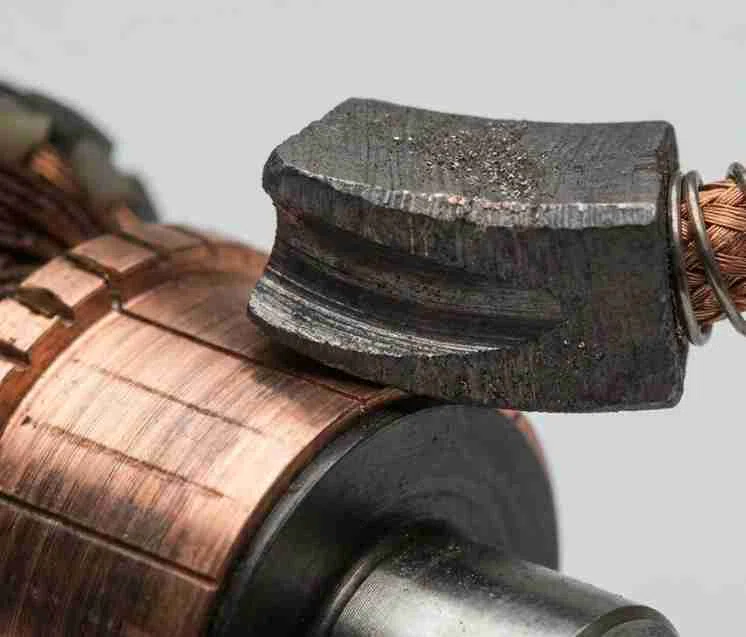
A carbon brush is a vital electrical component that transmits electrical current between the stationary and rotating parts of a motor or generator. Constructed primarily from carbon or graphite, it ensures a continuous electrical connection while minimizing friction and wear on the spinning commutator.

Composition and Material Types
Carbon brushes are engineered using various blends of materials to suit specific conductivity and friction requirements across different mechanical applications.
- Electrographite: Ideal for high-voltage industrial motors requiring excellent thermal resistance.
- Copper-graphite: Best for low-voltage, high-current applications like automotive starters and slip rings.
- Resin-bonded: Used in high-friction environments requiring durability and high contact resistance.
Carbolve Pro Tip: Always match the brush grade to your specific motor type; using a brush that is too hard will prematurely destroy your commutator, leading to expensive repairs.
How Does carbon brush Work?
A carbon brush works by maintaining physical contact with a rotating commutator or slip ring using spring pressure. As the motor spins, the brush conducts electrical current from the stationary wire leads directly into the rotating armature, generating the electromagnetic field required for continuous rotation.

The Mechanism of Electrical Transfer
The operation relies on a delicate balance of electrical conductivity, mechanical friction, and aerodynamic stability within the motor housing.
- Spring Tension: A mechanical spring presses the brush firmly against the rotating commutator.
- Current Flow: Electricity travels through the brush’s shunt wire directly into the rotating copper segments.
- Film Formation: The brush deposits a microscopic, lubricating layer of carbon on the commutator, reducing friction and preventing excessive sparking.
Carbolve Pro Tip: Check your spring tension regularly. If the tension is too weak, the brush will bounce and arc; if it is too tight, it will wear out exceptionally fast.
What are the benefits of carbon brush?
The primary benefits of a carbon brush include excellent electrical conductivity, self-lubricating properties, and high thermal resistance. They are designed to act as the sacrificial component in a motor, absorbing wear and preventing expensive damage to the permanent commutator or slip rings.

Core Advantages in Motor Applications
Carbon is uniquely suited for this role due to its exceptional physical and chemical properties under high-stress conditions.
Based on our internal data and market analysis, here is the breakdown:
| Benefit | Description | Impact on Motor |
|---|---|---|
| Self-Lubrication | Graphite naturally reduces mechanical friction. | Prolongs the commutator’s operational lifespan. |
| Thermal Tolerance | Withstands extreme heat generated from electrical arcing. | Prevents melting and fusing during high loads. |
| Cost-Effectiveness | Highly affordable and easy to replace. | Lowers overall maintenance costs and downtime. |
Carbolve Pro Tip: Take advantage of the sacrificial nature of carbon brushes by scheduling proactive replacements before they wear down to the bare shunt wire.
How to maintain a carbon brush?
Maintaining a carbon brush requires regular visual inspections, measuring the remaining length, and cleaning carbon dust from the motor housing. Ensuring proper spring tension and verifying that the commutator surface remains smooth and free of deep grooves will drastically extend the brush’s operational lifespan.
Step-by-Step Maintenance Protocol
Proper maintenance prevents catastrophic motor failure, minimizes electrical arcing, and ensures peak operational efficiency.
- Isolate Power: Always disconnect the motor completely from its power source before beginning any inspection.
- Measure Length: Replace the brush immediately if it has worn down to 1/4 inch or reaches the manufacturer’s wear line.
- Clean the Housing: Use dry compressed air to blow out accumulated carbon dust from the brush holders.
- Inspect Commutator: Look for signs of burning, pitting, or uneven wear on the copper segments.
Carbolve Pro Tip: Never replace just one carbon brush. Always replace them in complete sets to ensure even current distribution and consistent wear across the commutator.
What is the price of carbon brush?
The price of a carbon brush ranges from $5 to $20 for standard power tools and home appliances, while industrial-grade or custom-engineered brushes can cost between $50 and $200 per set. The final cost depends on the material grade, size, and specific application requirements.
Pricing Breakdown by Application
Understanding the cost structure helps in budgeting for preventative maintenance and bulk purchasing for large facilities.
Based on our internal data and market analysis, here is the breakdown:
| Application Type | Estimated Price Range | Typical Replacement Frequency |
|---|---|---|
| Power Tools (Drills, Saws) | $5 – $15 | 100 – 300 operational hours |
| Household Appliances | $10 – $25 | 2 – 5 years of normal use |
| Industrial Motors | $50 – $200+ | 6 – 12 months (continuous duty) |
Carbolve Pro Tip: Investing in high-quality OEM or premium aftermarket brushes from reputable brands often saves money in the long run by reducing commutator wear and unexpected downtime.
Key Features & Comparison
When evaluating carbon brushes, key features to compare include material hardness, current density capacity, and maximum operating speed. Selecting the right combination of these features ensures optimal motor performance, minimizes electrical arcing, and maximizes the overall lifespan of both the brush and the motor.
Material Grade Comparison
Different operational environments demand specific brush characteristics to maintain stable electrical transmission.
Based on our internal data and market analysis, here is the breakdown:
| Feature | Electrographite | Copper-Graphite | Resin-Bonded |
|---|---|---|---|
| Electrical Conductivity | Medium | Very High | Low |
| Friction Level | Low | Medium | High |
| Best Application | DC Motors & Generators | Starter Motors | High-Resistance Motors |
Carbolve Pro Tip: If your motor operates in a highly humid environment, consult with a specialist to select a brush grade that resists moisture absorption and prevents erratic wear patterns.
Cost & Buying Factors
When purchasing a carbon brush, crucial buying factors include exact dimensional specifications, shunt wire placement, terminal type, and the operating environment. Factoring in total lifecycle costs rather than just the initial purchase price will guide you toward the most reliable and efficient component.
Essential Purchasing Considerations
Ensure you check these critical mechanical and electrical parameters before making a final purchase decision.
- Dimensions: The brush must slide freely in the holder without excessive wobble or binding.
- Spring Type: Determine if you need a brush with an attached coil spring or a separate tension mechanism.
- Lead Wire (Shunt): Verify the exact length of the wire and the specific terminal connection style.
- Operating Environment: Consider ambient temperature, humidity levels, and potential chemical exposure.
Carbolve Pro Tip: Keep a digital caliper handy when ordering replacement brushes. A difference of even a millimeter can cause the brush to jam in its holder, leading to immediate motor failure.
Conclusion
Understanding how long carbon brushes last and how they function is essential for maintaining the health of your electric motors. By prioritizing regular inspections, choosing the correct material grade, and adhering to proactive replacement schedules, you can ensure reliable, long-term operational efficiency.
Final Maintenance Summary
Consistent care and strategic purchasing are the ultimate keys to maximizing motor longevity and minimizing costs.
- Monitor runtime hours and track operating conditions diligently.
- Perform visual checks for excessive arcing, bouncing, and uneven wear.
- Replace brushes well before they can cause physical damage to the commutator.
- Partner with trusted suppliers to source high-quality, application-specific replacements.
Carbolve Pro Tip: Establish a routine maintenance log for all your brush-equipped motors. Tracking replacement intervals will help you predict exactly when your next set of brushes will reach the end of their lifespan.