Carbon brushes are essential electromechanical components that facilitate the transfer of electrical current between stationary and rotating parts of a motor or generator. Understanding how carbon brush work operates is critical for optimizing the performance and lifespan of industrial machinery, power tools, and automotive alternators. As a leading manufacturer, Carbolve engineers these components to endure high friction while maintaining stable electrical conductivity.
What is carbon brush work?
Carbon brush work refers to the physical and electrical process where a small block of carbon conducts electrical current between the static stator and the spinning rotor of a motor. It acts as a sliding contact, ensuring continuous power transmission without tangling wires during high-speed rotation.

The Role of Sliding Contacts
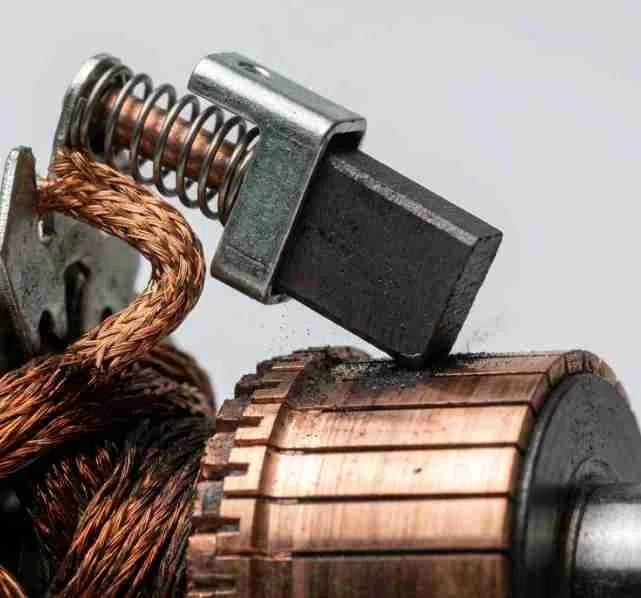
The core of carbon brush work lies in its ability to bridge the gap in dynamic electrical circuits. When a motor spins, hardwired connections would instantly snap. Carbon brushes solve this by pressing against a rotating commutator or slip ring, creating a dynamic bridge for electricity.
- Electrical Conduction: Safely carries high-voltage current from the stationary power source directly into the moving armature.
- Mechanical Lubrication: The graphite composition naturally lubricates the sliding surface, preventing excessive wear on the metal commutator.
- Spark Suppression: Carefully engineered electrical resistance within the carbon helps minimize arcing and sparking during the commutation cycle.
Carbolve Pro Tip: Always ensure that the brush grade matches the specific voltage and RPM of your motor. Using an overly hard brush can damage the commutator, while a soft brush may wear out prematurely.
How Does carbon brush work Work?
Carbon brush work operates through a spring-loaded mechanism that constantly presses the carbon block against a rotating commutator or slip ring. As the motor spins, the brush maintains unbroken physical contact, allowing electrical current to flow seamlessly into the dynamic components to sustain continuous motion.

The Mechanics of Current Transfer
The functionality of a carbon brush relies on a delicate balance of mechanical pressure and electrical conductivity. The system is meticulously designed to handle immense friction while preventing power loss and heat buildup.
- Spring Tension Application: A coiled or torsion spring pushes the brush down with a precise amount of force to guarantee uninterrupted contact.
- Surface Filming: As the brush rubs against the metal, it deposits a microscopic layer of carbon film, which drastically reduces friction.
- Current Flow: Electricity travels through the brush lead wire (shunt), into the carbon block, and across the film layer into the commutator.
- Commutation: The brush bridges adjacent commutator segments, reversing the current direction in the armature coils to keep the motor spinning smoothly in one direction.
Carbolve Pro Tip: Check your spring tension regularly. If the tension drops below the recommended threshold, the brush will bounce, causing severe electrical arcing and rapid destruction of the contact surface.
What are the benefits of carbon brush work?
Effective carbon brush work provides reliable power transmission, protects expensive motor components from friction damage, and ensures smooth commutation. By acting as a sacrificial wear part, carbon brushes absorb the mechanical stress, thereby extending the overall operational lifespan of the entire electromechanical system.

Advantages of Quality Carbon Components
Utilizing high-grade materials in your motor systems yields significant operational advantages. The unique properties of graphite and copper-graphite blends make them the ideal choice for dynamic power transfer in harsh environments.
Based on our internal data and market analysis, here is the breakdown:
| Benefit | Description | Impact on Machinery |
|---|---|---|
| Self-Lubrication | Graphite naturally reduces friction on moving parts. | Lowers heat generation and prevents commutator scoring. |
| Thermal Tolerance | Withstands exceptionally high operating temperatures. | Prevents melting or warping during heavy continuous loads. |
| Cost-Efficiency | Brushes are inexpensive, sacrificial components. | Saves thousands of dollars compared to replacing a damaged rotor. |
Carbolve Pro Tip: Upgrading to a copper-infused carbon brush for low-voltage, high-current applications can drastically reduce energy loss and improve the starting torque of your heavy machinery.
How to maintain a carbon brush work?
Maintaining carbon brush work involves regular visual inspections for uneven wear, cleaning carbon dust buildup from the motor housing, and measuring spring tension. Replacing brushes before they reach their minimum length indicator prevents catastrophic electrical arcing and costly damage to the commutator.
Essential Maintenance Procedures
Proactive maintenance is the key to preventing unexpected downtime. Carbon brushes are designed to wear out, but monitoring how they wear can help operators diagnose broader motor issues before they cause system failures.
- Visual Inspection: Check for chipping, burning, or uneven wear patterns on the brush face, which indicate alignment or tension issues.
- Dust Removal: Use dry compressed air to blow out accumulated carbon dust, which can cause internal electrical shorts if left unchecked.
- Commutator Check: Ensure the commutator is smooth and possesses a healthy, chocolate-brown patina, which indicates optimal carbon filming.
- Measurement: Replace the brush when it reaches 25% of its original length, or precisely at the manufacturer’s designated wear line.
Carbolve Pro Tip: Never mix new and old brushes, or brushes of different grades, on the same commutator. This causes uneven current distribution, leading to rapid localized wear and severe sparking.
What is the price of carbon brush work?
The price of carbon brush work components ranges from $2 for basic power tool brushes to over $100 for large, specialized industrial grades. Costs are determined by the material composition, such as pure graphite versus silver-graphite, manufacturing precision, and specific application requirements.
Pricing Breakdown by Application
Understanding the cost structure helps in budgeting for routine maintenance. Industrial applications require highly engineered brushes that cost more upfront but deliver superior longevity and equipment protection.
Based on our internal data and market analysis, here is the breakdown:
| Application Type | Material Grade | Average Price Range (USD) |
|---|---|---|
| Home Power Tools | Hard Carbon / Resin Bonded | $2 – $15 per set |
| Automotive Alternators | Copper-Graphite | $10 – $35 per set |
| Industrial DC Motors | Electrographite | $40 – $150+ per set |
| Wind Turbines | Silver-Graphite (High Conductivity) | $100 – $300+ per set |
Carbolve Pro Tip: Don’t let a low price tag dictate your purchase. Investing in a premium Carbolve electrographite brush for industrial applications often yields a 300% longer lifespan, vastly outweighing the initial cost difference.
Key Features & Comparison
Comparing carbon brush work features involves evaluating electrical resistivity, friction coefficients, and current density capacities. Different operational environments demand specific material blends, ensuring that the brush can handle the required electrical load without overheating or causing excessive mechanical wear to the motor.
Material Grade Comparison
Selecting the correct feature set is vital for motor efficiency. Different manufacturing processes yield distinct grades of carbon, each tailored to solve specific electrical and mechanical challenges.
Based on our internal data and market analysis, here is the breakdown:
| Feature | Electrographite Brushes | Copper-Graphite Brushes | Resin-Bonded Brushes |
|---|---|---|---|
| Current Density | Medium to High | Very High | Low |
| Friction Level | Low | Medium | High |
| Primary Use | DC Motors, Traction | Slip Rings, Starters | Universal Motors (Tools) |
| Durability | Excellent | Good | Moderate |
Carbolve Pro Tip: If your motor experiences high starting currents, a copper-graphite blend is non-negotiable. The added metal significantly lowers electrical resistance to prevent the brush from instantly overheating during startup.
Cost & Buying Factors
When purchasing components for carbon brush work, buyers must factor in the motor’s operating voltage, RPM, environmental conditions, and the required shunt wire design. Accurate sizing and selecting the correct material grade are critical to avoid premature failure and ensure optimal machine efficiency.
Essential Procurement Considerations
Selecting the right carbon brush goes beyond just finding a block that fits into the holder. Engineering specifications must align perfectly with the application to guarantee safe and efficient operation.
- Operating Environment: High humidity requires different brush treatments compared to dry, high-altitude environments to maintain the carbon film.
- Physical Dimensions: The brush must slide freely in the holder; a tolerance of just 0.1mm too large can cause it to jam and break contact.
- Terminal Type: Ensure the shunt wire terminates in the correct ring, fork, or plug to connect securely to your motor’s power supply.
- Brand Reliability: Sourcing from established manufacturers like Carbolve guarantees consistent material density, rigorous quality control, and reliable performance.
Carbolve Pro Tip: Always measure the brush holder, not just the old worn-out brush. Brushes shrink in all dimensions as they wear and heat up, so the holder provides the only accurate baseline for replacement sizing.
Conclusion
Understanding how carbon brush work functions is the foundation of effective electromechanical maintenance. By choosing the right materials, monitoring wear levels, and ensuring proper installation, operators can maximize equipment uptime, safeguard critical motor components, and maintain peak electrical efficiency across all applications.
Final Thoughts on Motor Performance
Carbon brushes may be small, but they carry the heavy responsibility of keeping the world’s machinery turning. Neglecting these vital components leads to cascading electrical failures, while proper care ensures relentless reliability.
- Stay Proactive: Schedule routine visual and mechanical inspections based on operating hours.
- Choose Quality: Trust engineered, application-specific solutions from industry leaders like Carbolve.
- Protect Your Investment: Remember that a high-quality $50 brush set is designed to protect a $5,000 motor rotor from catastrophic damage.
Carbolve Pro Tip: Keep a detailed maintenance log recording the date, brush grade, and wear measurements. This data is invaluable for predicting future replacements and diagnosing hidden electrical issues before they escalate.